THE SHORT ANSWER
When your next session is less than about 8 hours away, start refueling right after the first one: roughly 1.0 to 1.2 g of carbs per kg of body weight per hour for the first few hours, 20 to 40 g of protein, and about 1.25 to 1.5 times the fluid you sweated out. Keep the food simple and easy to digest, and finish eating 1 to 2 hours before you go again.
KEY TAKEAWAYS
- The shorter the gap, the faster you start eating and the simpler the food.
- Carbs are the priority between sessions; protein rides along.
- Replace about 1.25 to 1.5 times the weight you lost in sweat, spread out.
- Your second session starts with the meal after your first one.
Why two-a-days change the rules
One session a day gives you nearly 24 hours to recover. Eat dinner, sleep, eat breakfast, done. Two sessions in a day squeeze that into a few hours, and suddenly the details matter.
Think about a tennis player with a 10 a.m. match and a 4 p.m. match. A fighter in camp doing pads in the morning and sparring at night. A football player in preseason. A swimmer with doubles. In every case, what happens in the gap decides how the second session feels.
The main issue is glycogen, the carbohydrate stored in your muscles and liver. Hard training burns through it, and your body restocks it fastest when carbs arrive soon after the session. Sports nutrition research summarizes it simply: when recovery time is short, start eating carbs early and keep them coming.

How much to eat in the gap
These are the practical targets most sports dietitians work from when the gap is under about 8 hours.
| What | Target | Example for 75 kg (165 lb) |
|---|---|---|
| Carbs | About 1.0 to 1.2 g per kg per hour for the first ~4 hours | 75 to 90 g per hour |
| Protein | About 0.25 to 0.3 g per kg soon after | 20 to 25 g |
| Fluid | About 1.25 to 1.5 L per kg of weight lost | Lost 1 kg? Drink 1.25 to 1.5 L over the gap |
| Salt | Some salty food or an electrolyte drink | Pretzels, broth, a salted rice dish |
Those carb numbers look big. They are. That is a bagel with honey plus a banana and a sports drink in the first hour, then a rice-based meal. It is a lot more food than most athletes eat between sessions, which is exactly why their second session feels flat.
INTERACTIVE
Refuel planner
For two sessions in one day.
Protein: about 19 to 22 g soon after session one.
Fluid: about 40 to 48 oz across the gap, with some salt.
Last real food: around 3.5 h after session one.
Targets from sports nutrition consensus (Burke 2011, Kerksick 2017) for gaps under about 8 hours.
A simple timeline for the gap
First 30 minutes
Fluids and fast carbs plus some protein. A shake with a banana, chocolate milk, a bagel with jam. If your appetite is gone after a hard morning, drink your calories: smoothies and milk-based shakes go down easier than a plate of food.
Hour 1 to 2
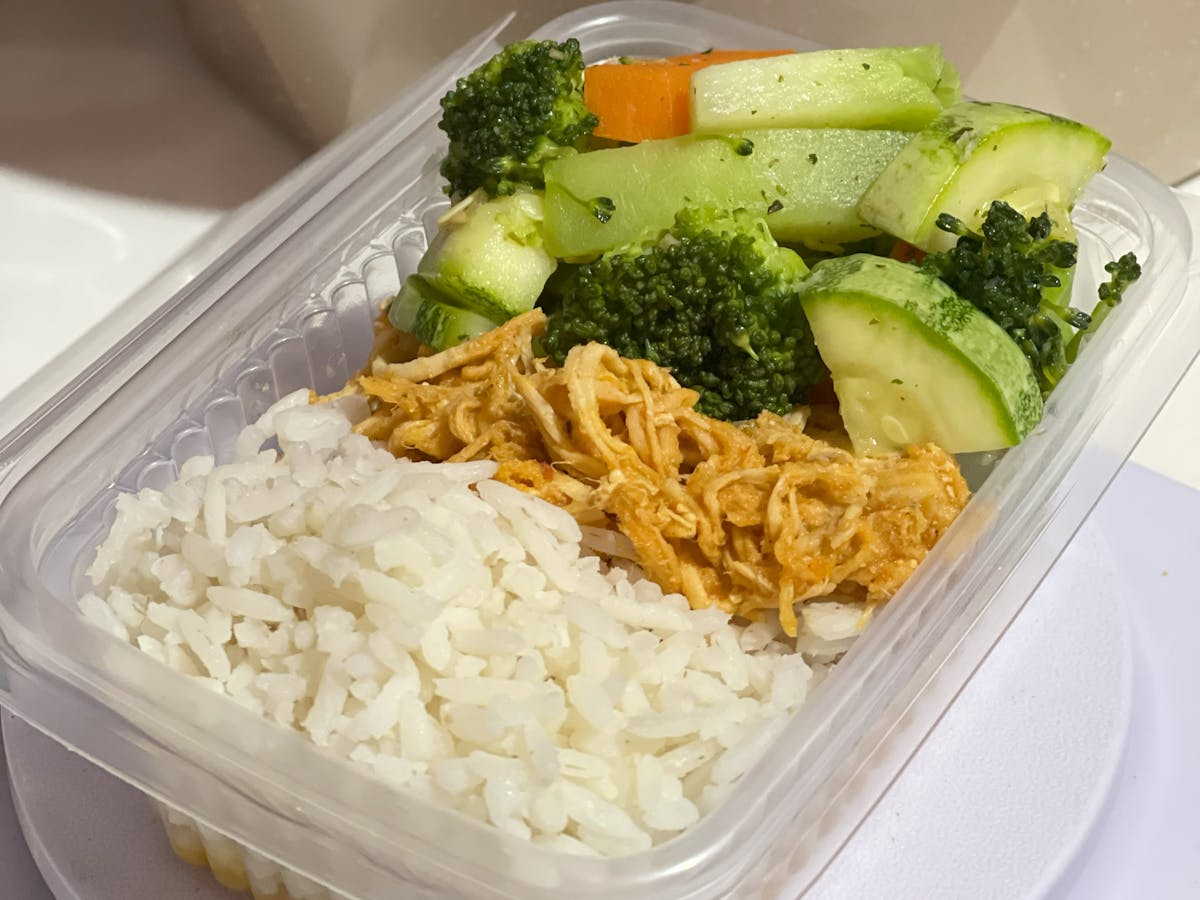
A real meal if the gap allows it. Rice bowls, pasta, sandwiches, potatoes with lean meat. Keep fat and fiber moderate so your stomach empties in time. This is not the moment for a giant salad or a double cheeseburger.
The last 1 to 2 hours before session two
Small top-ups only: a granola bar, a few rice cakes, sips of water or a sports drink. Then rest. Lie down, put your legs up, keep your phone out of your face if you can. Even a short nap can help some athletes feel fresher.
Fluids: weigh in, weigh out
The easiest way to know how much to drink is the scale. Weigh yourself before and after session one (towel off, minimal clothing). Every pound lost is roughly 16 oz of sweat. Replacing about 1.25 to 1.5 times that over the gap accounts for the fluid you keep losing through urine.
Spread it out. Gulping a liter in five minutes mostly sends you to the bathroom. Salty food or an electrolyte drink helps you hold on to the fluid you drink.

QUICK QUIZ
What is your between-session style?
Pick what you usually do. Be honest.
What this looks like in your sport
- Tennis tournaments: pack food, because tournament snack bars are a gamble. Between matches, sip a sports drink and eat small carb snacks every 30 to 60 minutes until about an hour before your next match.
- Fight camp doubles: the morning session is often conditioning or pads, the evening is sparring. Treat lunch as the most important meal of the day. Cutting weight? Work with your coach on how to keep carbs around sessions without blowing your plan.
- Preseason football and team sports: heat is the big factor. Weigh in and out, add salt and do not wait for thirst.
- Swimmers and runners with doubles: easy morning sessions need less refueling than hard ones. Match the food to the work you just did and the work that is coming.
Do not forget the night
Two-a-days pile up fatigue across the week, not just the day. Dinner after session two should be a full meal, and sleep becomes your most valuable tool. Our guide to magnesium and sleep for athletes covers the evening routine, and recovery nutrition after hard sessions covers the everyday basics.

FAQ
What should I eat between two training sessions?
Easy-to-digest carbs with some protein, starting soon after the first session: a shake with a banana, a bagel with honey, then a rice or pasta meal if the gap allows. Finish eating 1 to 2 hours before session two.
How many carbs do I need between sessions?
When the gap is under about 8 hours, a common target is about 1.0 to 1.2 g of carbs per kg of body weight per hour for the first few hours. For a 75 kg athlete that is roughly 75 to 90 g per hour.
How much should I drink between sessions?
Weigh yourself before and after the first session and drink about 1.25 to 1.5 times the weight lost (1 kg lost means about 1.25 to 1.5 L), spread over the gap, with some salt.
Is protein or carbs more important between sessions?
Carbs are the priority for refilling energy stores when the next session is soon. Add about 20 to 40 g of protein to support repair.
IF YOU WANT A HAND
Fuel that fits this plan
Food and habits come first. If a supplement makes your routine easier, these are the ones that match this article.
SOURCES
This article is for general education and is not medical advice. Talk to your doctor before starting a supplement, especially if you have a health condition, take medication, are pregnant or are under 18. Results vary from person to person.