THE SHORT ANSWER
Magnesium helps regulate normal muscle and nerve function, and many athletes take it in the evening as part of a wind-down routine. It is not a sleep switch. Get magnesium from food first (seeds, nuts, beans, leafy greens), keep supplements under the 350 mg daily upper limit for adults, and build the routine around a regular bedtime, a dark cool room and caffeine cut off early.
KEY TAKEAWAYS
- Magnesium supports normal muscle and nerve function. It is a team player, not a sedative.
- About half of Americans get less magnesium from food than they need, so check your plate first.
- Adults should keep supplemental magnesium at or under 350 mg a day unless a clinician says otherwise.
- Your bedtime routine (schedule, light, caffeine, screens) matters more than any capsule.
Why sleep is your best recovery tool
You can buy a lot of recovery gadgets. Compression boots, massage guns, cold tubs. None of them come close to a good night of sleep, and sleep is free.
Research keeps pointing the same way. When college basketball players extended their sleep for several weeks, they sprinted faster and shot more accurately. Reviews of sleep loss in athletes show the reverse: shorter sleep tends to drag down endurance, mood and decision making, and makes the same workout feel harder. If you train hard and sleep six hours, you are leaving gains on the table.
So where does magnesium fit? It is one small piece. Useful, popular, and often misunderstood. Let us sort out what it does and what it does not do.

What magnesium actually does in your body
Magnesium is a mineral involved in more than 300 enzyme systems. According to the NIH Office of Dietary Supplements, it plays a role in muscle and nerve function, energy production and protein synthesis, and it helps move calcium and potassium across cell membranes, which matters for muscle contraction.
That is the honest, structure and function version. Magnesium helps your muscles and nerves work normally. It does not knock you out like a sleeping pill, and anyone selling it that way is overselling.
Why do athletes care? Two reasons. First, hard training, long hot sessions and heavy sweating raise your interest in minerals in general. Second, plenty of people simply do not eat enough magnesium. A national survey analysis cited by the NIH found that 48 percent of Americans get less magnesium from food and drinks than the estimated average requirement.
Food first: where to find magnesium
Before you buy anything, look at your plate. Adult men need roughly 400 to 420 mg a day and adult women 310 to 320 mg a day from all sources. Here is what common foods bring, using NIH numbers.
| Food | Serving | Magnesium |
|---|---|---|
| Pumpkin seeds, roasted | 1 oz | 156 mg |
| Chia seeds | 1 oz | 111 mg |
| Almonds, dry roasted | 1 oz | 80 mg |
| Spinach, boiled | ½ cup | 78 mg |
| Cashews, dry roasted | 1 oz | 74 mg |
| Black beans, cooked | ½ cup | 60 mg |
| Peanut butter | 2 tbsp | 49 mg |
| Brown rice, cooked | ½ cup | 42 mg |
| Banana | 1 medium | 32 mg |
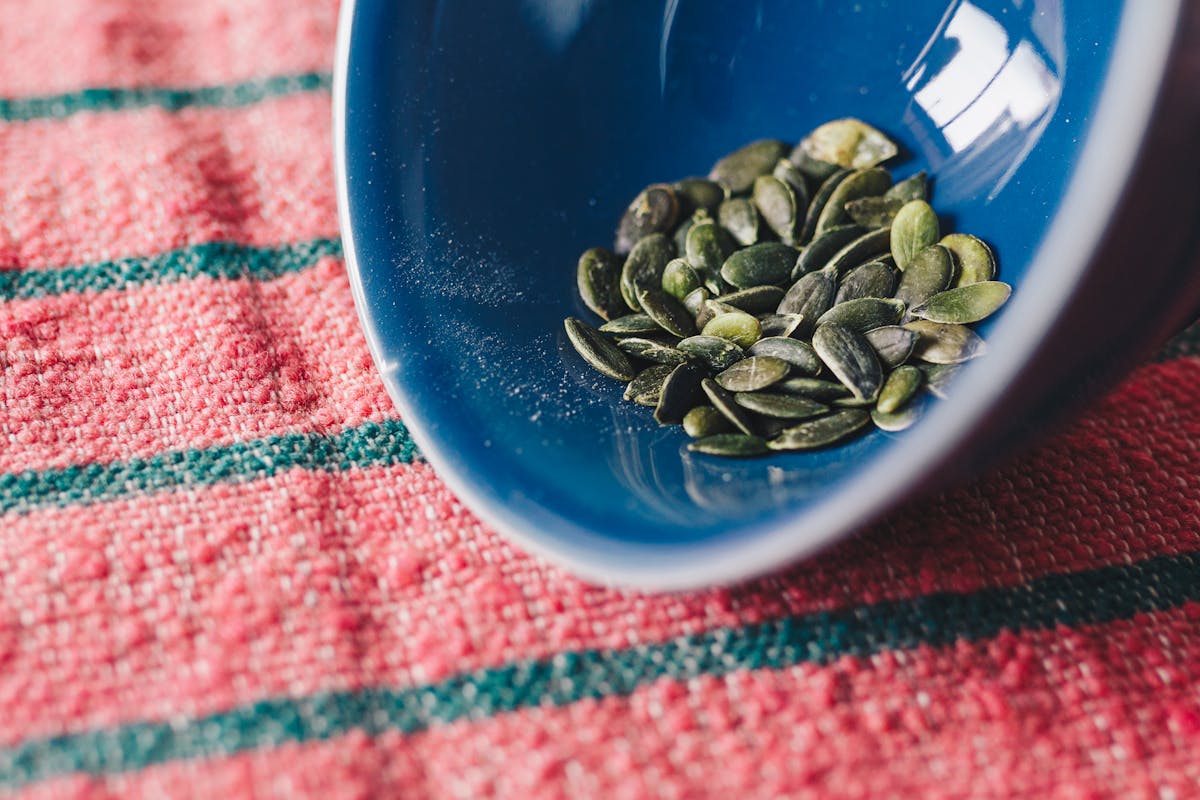
Notice a pattern? Seeds, nuts, beans, leafy greens and whole grains. If your diet is mostly white rice, chicken breast and protein shakes, you may be light on magnesium without knowing it. A handful of pumpkin seeds on your oatmeal and a bean-based lunch a few times a week close a lot of the gap.
Supplements: how much is too much?
The upper limit for magnesium from supplements and medications is 350 mg a day for adults. Food does not count toward that limit, because your kidneys handle the magnesium in food well. Go over the limit with supplements and the classic side effects are diarrhea, nausea and cramping. Not the recovery you were after.
Form matters for comfort. Magnesium glycinate (magnesium bound to the amino acid glycine) is a popular choice because many people find it easy on the stomach. Whatever you use, read the Supplement Facts panel: it lists the elemental magnesium, which is the number that counts toward the 350 mg.
Who should check with a doctor first? Anyone with kidney problems, people taking certain antibiotics, bisphosphonates, diuretics or acid reflux medication long term, and anyone pregnant or nursing. Magnesium interacts with several common medicines, and timing can matter.
The evening routine that does the heavy lifting
Here is the part no supplement replaces. Use the planner to build your evening around your real bedtime.
INTERACTIVE
Bedtime planner
Work back from your alarm.
- Last caffeine: 2:30 p.m.
- Dinner done by: 8:00 p.m.
- Screens down, lights low: 9:45 p.m.
- Lights out: 10:30 p.m.
Adults generally need 7 or more hours; many athletes do better with 8 to 9.
Same time, every day
Your body clock likes routine. Going to bed and getting up within the same 30 to 60 minute window, weekends included, often helps more than any single trick. If you train at 6 a.m., your bedtime is part of that workout.
Dark, cool, quiet
Blackout curtains or an eye mask. A cooler room. Phone face down or in another room. Earplugs or a fan if your street is loud. Boring, cheap and effective.
Caffeine has a long tail
Caffeine stays in your system for hours. That 4 p.m. pre-workout can still be working at 10 p.m. Plenty of athletes sleep better by moving their last caffeine to early afternoon, or switching late sessions to a stim-free option.
The last meal and the last hour
A heavy, greasy meal right before bed can keep you up. A normal dinner 2 to 3 hours before bed, then something light if you are hungry, works for most people. Spend the last 30 to 60 minutes winding down: a shower, some light stretching, a book, the same order every night.
MYTH OR FACT
Magnesium myths, checked
Tap a myth to see the facts.
MYTHMagnesium is a natural sleeping pill.
FACTMagnesium supports normal muscle and nerve function. It can be part of a calm evening routine, but it is not a sedative and results vary from person to person.
MYTHMore magnesium means better recovery.
FACTSupplemental magnesium above 350 mg a day can upset your stomach. Food sources do not count toward that limit.
MYTHIf I take magnesium, I can skip the sleep routine.
FACTRegular timing, a dark cool room and early caffeine cutoffs matter more than any supplement.
Run a two-week test
Want to know what works for you? Run it like a training block. For two weeks, keep your bedtime fixed, cut caffeine after early afternoon and log three things each morning: hours slept, how rested you feel from 1 to 10 and how your session felt. If you add magnesium, add it alone, at the label dose, and keep everything else the same.
Try this tonight
0/5Sleep is the foundation; food and smart training sit on top. For the food side, see recovery nutrition after hard sessions, and if late pre-workouts are the problem, our pre-workout timing guide helps you move them.
FAQ
Does magnesium help athletes sleep?
Magnesium supports normal muscle and nerve function, and many athletes include it in an evening wind-down routine. It is not a sleeping pill, and research in healthy, well-fed athletes is limited. Sleep habits matter more.
How much magnesium can I take per day?
Adults need about 310 to 420 mg a day from all sources. The upper limit for magnesium from supplements and medications is 350 mg a day for adults. Food sources do not count toward that limit.
When should I take magnesium glycinate?
Follow the label. Many people take it with their evening meal as part of a consistent routine. Taking it at the same time each day makes it easier to judge how you feel.
Which foods are high in magnesium?
Pumpkin seeds, chia seeds, almonds, cashews, spinach, black beans, edamame, peanut butter and whole grains are good sources.
Who should avoid magnesium supplements?
Check with a doctor first if you have kidney problems, are pregnant or nursing, or take antibiotics, bisphosphonates, diuretics or long-term acid reflux medication, since magnesium can interact with them.
IF YOU WANT A HAND
Fuel that fits this plan
Food and habits come first. If a supplement makes your routine easier, these are the ones that match this article.
SOURCES
This article is for general education and is not medical advice. Talk to your doctor before starting a supplement, especially if you have a health condition, take medication, are pregnant or are under 18. Results vary from person to person.