THE SHORT ANSWER
After a hard session, eat a real meal with protein and carbs within a few hours, spread your protein over 3 to 5 meals a day, drink steadily, and protect 7 to 9 hours of sleep. Recovery is a routine you repeat, not a shake you chug in the locker room.
KEY TAKEAWAYS
- Plan the post-session meal before you start training.
- Spread protein over the day, roughly 0.25 to 0.4 g per kg of body weight per meal.
- Add carbs when you train hard or train again within a day.
- Sleep is the cheapest recovery tool you have. Guard it.
Recovery starts before the session ends
Here is the question nobody asks at 7 p.m. after sparring: what are you actually going to eat? Recovery nutrition does not have to be complicated or perfect. It has to be available, familiar and consistent enough to support tomorrow.
Step one is planning the handoff. Know where your next meal comes from. Keep something practical in your gym bag. That alone kills the classic gap where you finish training at 8 and eat a random snack at 11.
Build the plate around protein
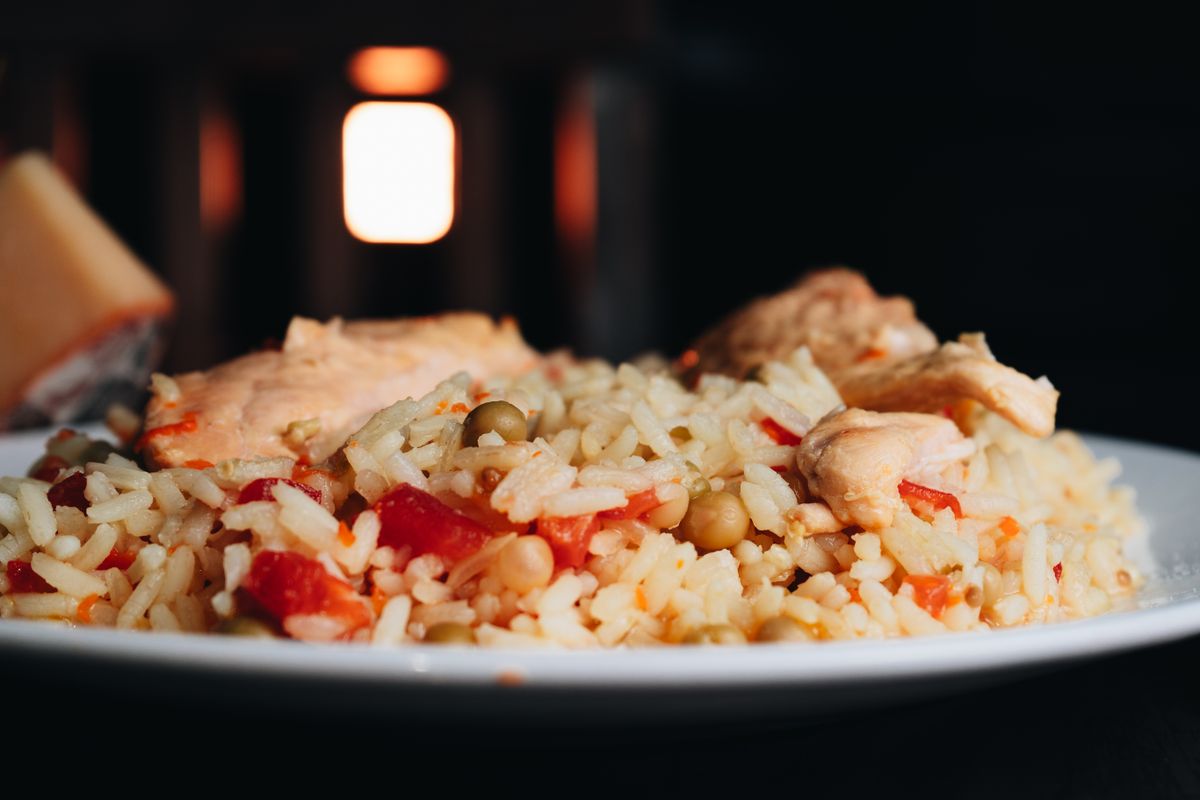
Protein gives your body the building blocks for its normal adaptation to training. Research on daily intake for people who lift points to about 1.6 g per kg of body weight as the level where most of the benefit shows up, with up to 2.2 g per kg covering the upper end. In pounds that is roughly 0.7 to 1.0 g per pound.
How you spread it matters too. Instead of one giant serving at dinner, aim for 3 to 5 meals with a solid portion each. Eggs, Greek yogurt, cottage cheese, chicken, fish, lean beef, beans, tofu and tempeh all count. Use the calculator to see what that looks like for you.
INTERACTIVE
Protein per meal calculator
Your daily target, split across your meals.
Per meal: about 31 to 45 g across 4 meals. Per-meal marker: about 33 g.
Range 0.7 to 1.0 g per lb per day (about 1.6 to 2.2 g per kg), a common target for people who train hard. About 0.4 g per kg per meal is a useful per-meal marker.
Do not forget the carbs
After a demanding session, pair that protein with carbohydrates. Carbs refill the energy you burned, which matters a lot if you run the next morning, train twice a day or have a long shift ahead. Rice, potatoes, pasta, bread, oats, fruit. Add vegetables and enough total food to match the work you are doing.
Training twice in one day is its own puzzle, and the gap between sessions changes everything (more in our guide to recovery between two-a-days (coming soon)). The short version: the shorter the gap, the faster and simpler the food should be.
Sleep is part of the training plan
Food gets the attention, but sleep is where many athletes quietly lose consistency. In one well-known study, college basketball players who extended their sleep for several weeks sprinted faster and shot more accurately. Sleep loss, on the other hand, tends to drag down performance and mood.
Set a realistic bedtime, keep the room dark and cool, and build a short wind-down that does not rely on willpower at midnight. Late training? Prep food and gear earlier so the evening stays calm.

You do not need a perfect night every night. Look at the week: similar sleep and wake times, fewer screens before bed and a plan for mornings after brutal sessions. A steady rhythm makes it easy to spot when travel, training load or late caffeine is getting in the way.
QUICK QUIZ
Which recovery gap is yours?
Answer honestly. It takes 20 seconds.
Win with repeatability
For one month, track a few basics: meals, protein sources, sleep hours and how ready you feel for the next session. Look for patterns, not perfect days. If workouts keep feeling flat, check the whole routine (food, fluids, sleep, schedule) before chasing a new fix.
Keep the basics boring, portable and repeatable. Consistency is what turns a decent recovery plan into part of who you are as an athlete. For the joint side of staying in the game, see joint care for lifters, runners and fighters.
FAQ
What should I eat after a hard training session?
A normal meal with protein and carbohydrates within a few hours, plus fluids. Chicken and rice, eggs and toast, Greek yogurt with fruit and granola, or a protein shake with a banana when you are on the go.
How much protein per meal is useful?
Research suggests roughly 0.4 g per kg of body weight per meal across 4 meals as a practical target for people building muscle. For a 180 lb (82 kg) athlete that is about 30 to 35 g per meal.
Do I need a protein shake right after training?
No. The window is wider than gym lore says. A shake is simply a convenient way to get protein in when a meal is hours away.
Why is sleep part of recovery nutrition?
Sleep and food work together. Poor sleep makes training feel harder and makes it tougher to stick with good eating habits. Aim for 7 to 9 hours on a regular schedule.
IF YOU WANT A HAND
Fuel that fits this plan
Food and habits come first. If a supplement makes your routine easier, these are the ones that match this article.
SOURCES
This article is for general education and is not medical advice. Talk to your doctor before starting a supplement, especially if you have a health condition, take medication, are pregnant or are under 18. Results vary from person to person.