THE SHORT ANSWER
Eat a normal meal 2 to 4 hours before training, or a small carb-based snack 30 to 60 minutes before if you are short on time. Sip fluids through the day instead of chugging at the door. If you use a pre-workout, take it about 30 minutes before, as the label says, and only one you have already tested on an ordinary day.
KEY TAKEAWAYS
- Meal 2 to 4 hours out, small snack 30 to 60 minutes out.
- Drink steadily all day so you arrive hydrated, not sloshing.
- Pre-workout around 30 minutes before, at the label dose, tested first.
- Change one thing at a time and write down how the session felt.
The plan matters more than the minute
There is no magic minute. What you want is simple: enough energy, a settled stomach and a clear idea of what the session is asking from you. A 5-mile tempo run, a long ride, a heavy squat day and six hard rounds of sparring all ask for something different.
The two classic mistakes? Treating every workout the same, and leaving everything to the last ten minutes. You know the scene: no lunch, a granola bar in the car, a double scoop of something new, then wondering why you feel shaky in round two.
Match the timing to the session
Two to four hours before
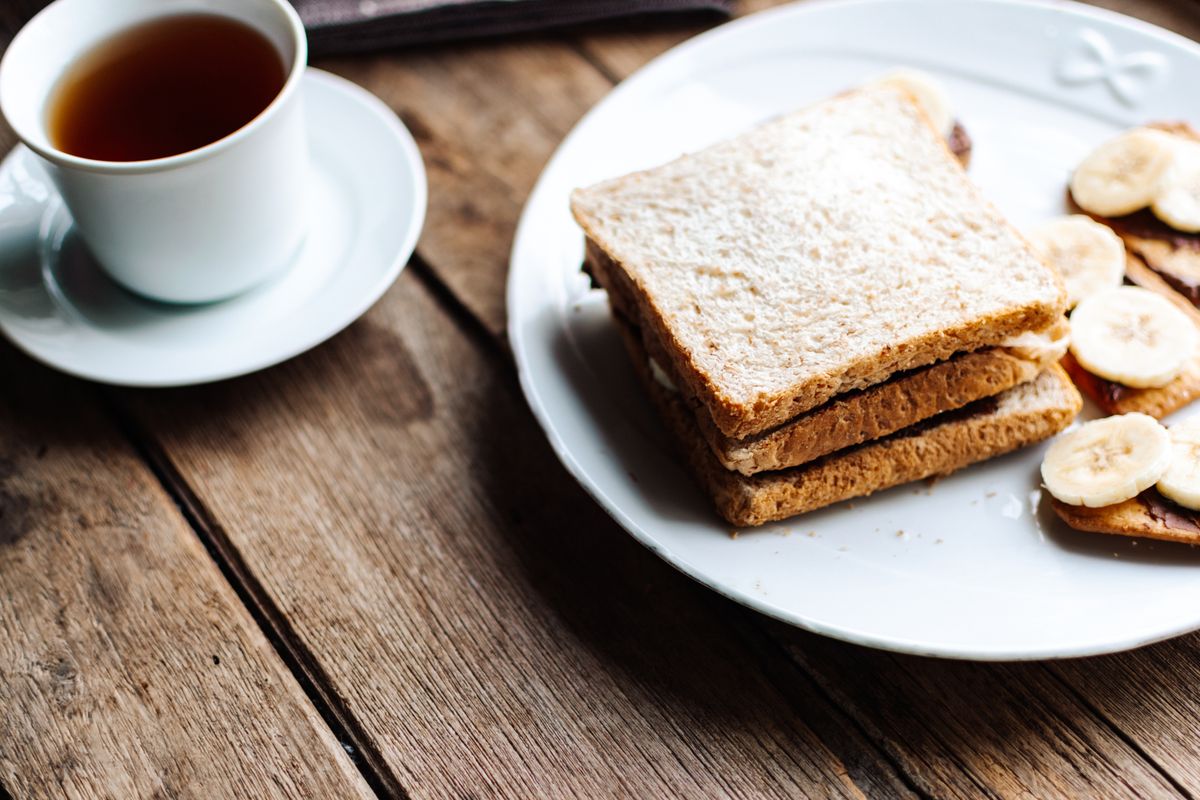
This is your main pre-training meal. Carbs as the base, some protein, not too much fat or fiber if your stomach is sensitive. Rice and chicken, oatmeal with Greek yogurt and fruit, a turkey sandwich with a banana. Familiar food wins.
Thirty to sixty minutes before
Short on time? Go smaller and lighter: a banana, a couple of rice cakes with honey, a slice of toast with jam. Carbs that digest fast. Save the big salad for later.
Short and easy sessions
A 30-minute easy jog or a mobility session usually needs nothing beyond your normal meals and water. Long endurance days, hard intervals and intense sparring deserve more planning. Put the bigger part of your fueling earlier rather than forcing it right before the warm-up.
INTERACTIVE
Pre-training timing planner
Enter when your session starts.
- Full meal window: 1:30 p.m. to 3:30 p.m.
- Small carb snack (if needed): 4:30 p.m. to 5:00 p.m.
- Pre-workout per label: about 5:00 p.m.
- Start: 5:30 p.m.
Training late? A stim-free option may protect your sleep.
Pre-workout timing follows a typical label (about 30 minutes before). Always check your product label.
The last 30 minutes: organize, do not experiment
Those final minutes are for getting ready, not for testing. Check your bottle, shoes, wraps, playlist and the plan for the session. If you use a pre-workout, follow the label directions and make it part of a routine you have already tried on a normal training day. A new flavor, a bigger serving or a new combination belongs on a Tuesday, not on race morning.
Caffeine adds up fast. Coffee, energy drinks and a pre-workout in the same afternoon can stack well past what you intended. The FDA cites 400 mg a day as an amount not generally linked to negative effects in healthy adults, but your personal tolerance matters more than any number. Training at night? Consider a stim-free option so you still sleep.
Fluids: sip early instead of chugging late
Plenty of athletes walk in dry and then down a full bottle in the parking lot. That sloshing feeling during your first sprint or round is the result. Sip through the day and have one bottle ready for the session. Pale yellow urine is a decent everyday check.
Build focus as part of the routine
A good pre-session routine also switches your head from work mode to training mode. Write down the one goal for today. Choose your first interval or first working set before you arrive. Remove one decision from the warm-up. Small rituals cut the mental noise.
QUICK QUIZ
Which pre-training mistake is yours?
Three quick questions. Pick what sounds most like you.
Make your routine measurable
For two weeks, log the time of your last meal, any snack, fluids, the pre-workout serving and when the session started. Then rate energy, stomach comfort and how the first 15 minutes felt. Do not change five things at once. Change one, compare, keep what works.
Your best timing plan is the one that survives early mornings, late shifts and travel days. Training at 6 a.m.? A banana and water may be all you need. Recovery after the session is the other half, and we cover it in recovery nutrition after hard sessions.
FAQ
How long before a workout should I eat?
A full meal works best 2 to 4 hours before training. If you only have 30 to 60 minutes, choose a small, easy-to-digest carb snack such as a banana or toast with honey.
When should I take a pre-workout?
Most labels, including ours, suggest about 30 minutes before training. Start with the smallest serving to check tolerance, never exceed the label maximum and avoid stimulant products late in the day if they affect your sleep.
Can I train fasted?
Short, easy sessions are fine for many people without food. For long, hard or high-skill sessions, most athletes perform and feel better with some carbohydrate beforehand.
How much caffeine is too much?
The FDA cites 400 mg a day as an amount not generally linked to negative effects in healthy adults. Count coffee, energy drinks and pre-workouts together, and use less if you are sensitive.
IF YOU WANT A HAND
Fuel that fits this plan
Food and habits come first. If a supplement makes your routine easier, these are the ones that match this article.
SOURCES
This article is for general education and is not medical advice. Talk to your doctor before starting a supplement, especially if you have a health condition, take medication, are pregnant or are under 18. Results vary from person to person.