THE SHORT ANSWER
Whey isolate and whey concentrate come from the same milk protein. Isolate is filtered further, so it carries more protein per gram and less lactose and fat; concentrate is cheaper and creamier. For building muscle, both work once a meal reaches about 0.25 to 0.4 g of protein per kg of body weight (about 0.11 to 0.18 g per lb). Collagen is different: it is low in leucine and is not a complete protein, so use it as extra support for tendons and ligaments, not as a whey replacement.
KEY TAKEAWAYS
- Isolate is usually 90 percent protein or more by weight; concentrate ranges much wider.
- Choose isolate if dairy bothers your stomach or you are counting every calorie.
- Aim for 1.4 to 2.2 g of protein per kg of body weight a day (about 0.6 to 1.0 g per lb), higher as training volume climbs, spread over 3 to 5 meals.
- Collagen does not count toward your muscle-building protein. Pair it with loading for tendons.
Same milk, different filter
Whey is the liquid left over when milk becomes cheese. To turn it into powder, manufacturers filter out water, lactose and fat. Stop earlier and you get whey protein concentrate, which can range from about 34 to 80 percent protein by weight. Keep filtering and you get whey protein isolate, usually 90 percent protein or more, with very little lactose or fat left.
That is the whole difference. Same amino acids, same leucine per gram of protein, different amount of everything else in the scoop. Isolate costs more because more processing goes into each pound of powder.
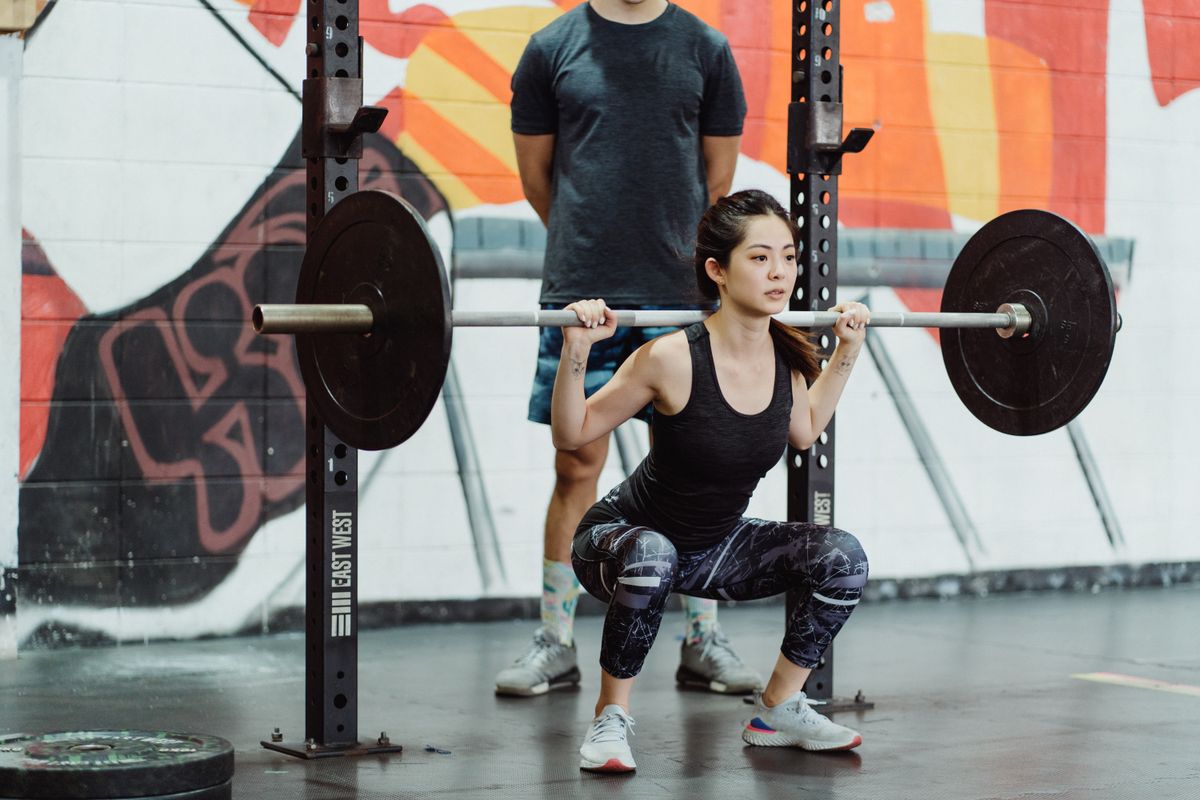
Isolate or concentrate: how to choose
Isolate makes sense if
- Regular milk or concentrate shakes leave you bloated or gassy.
- You are cutting and want protein without extra carbs and fat.
- You drink a shake between two sessions and want it to sit light.
Concentrate is fine if
- Dairy never bothers you.
- You like a thicker, creamier shake.
- Price per serving matters more than a few grams of carbs.
We only make isolate, and we will tell you why straight: a lot of athletes who think protein shakes upset their stomach are reacting to lactose. Isolate removes most of that problem. If concentrate works for you, it is a perfectly good protein.
How much protein per meal, and per day
The International Society of Sports Nutrition recommends 1.4 to 2.0 g of protein per kg of body weight per day (about 0.6 to 0.9 g per lb) for most exercising people, split into meals every 3 to 4 hours. A large meta-analysis in the British Journal of Sports Medicine found that gains in fat-free mass from protein supplementation leveled off around 1.6 g per kg per day (about 0.7 g per lb), with some people benefiting up to about 2.2 g per kg (1.0 g per lb).
Per meal, the ISSN suggests about 0.25 g per kg (about 0.11 g per lb), or an absolute 20 to 40 g, with roughly 700 to 3,000 mg of leucine. Whey is rich in leucine, so a 25 to 30 g serving of whey protein covers that easily. For a 180 lb (82 kg) athlete, that works out to about 130 to 165 g of protein a day, or four meals of 30 to 40 g each.
INTERACTIVE
Protein per meal calculator
Your daily target, split across your meals.
Per meal: about 31 to 45 g across 4 meals. Per-meal marker: about 33 g.
Range 0.7 to 1.0 g per lb per day (about 1.6 to 2.2 g per kg), a common target for people who train hard. About 0.4 g per kg per meal is a useful per-meal marker.
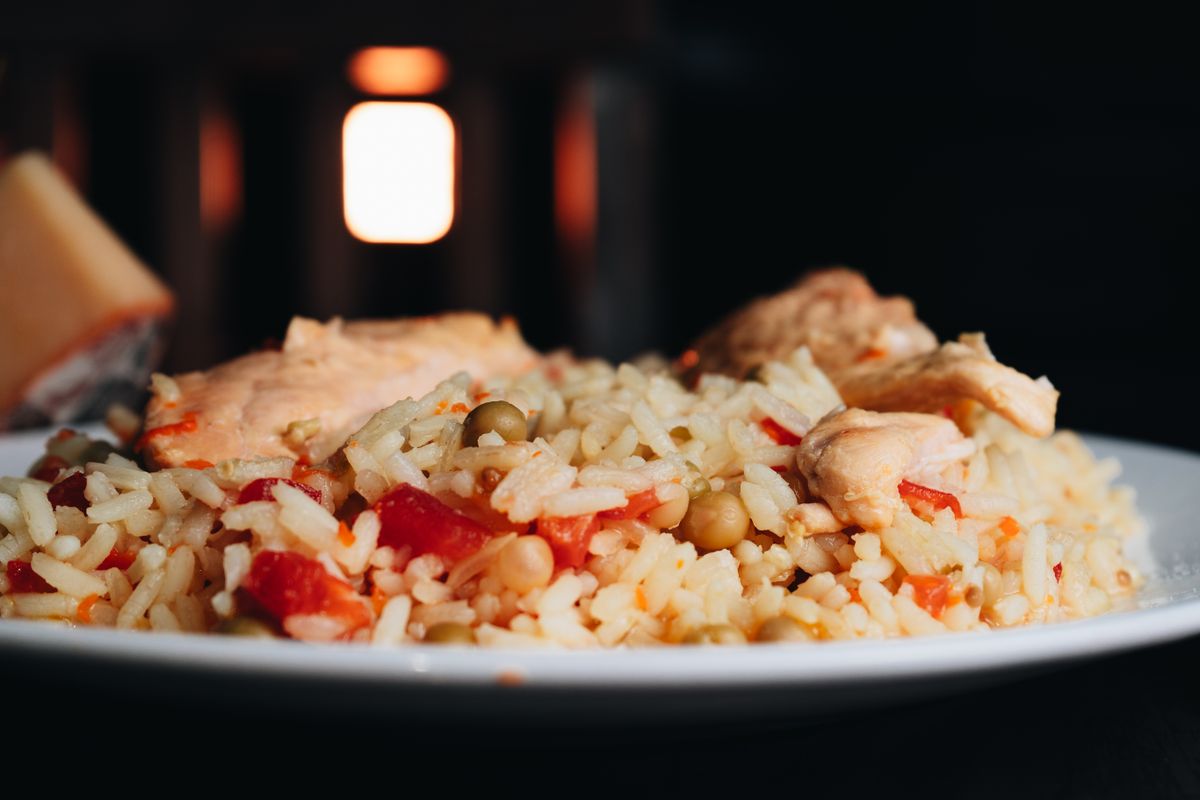
Where collagen fits
Collagen is the main structural protein in tendons, ligaments, cartilage and skin. It is built from a lot of glycine, proline and hydroxyproline. It is also low in leucine and missing tryptophan, which makes it an incomplete protein. That is why collagen grams should not count toward your muscle-building protein target.
So why take it? Tendons and ligaments have a poor blood supply and adapt slowly. In a study in the American Journal of Clinical Nutrition, healthy men took 15 g of gelatin with vitamin C about an hour before 6 minutes of jump rope. A blood marker of collagen production roughly doubled compared with placebo. It is a small study and a marker, not a finished answer, but the practical idea stuck: collagen plus vitamin C, then load the tissue.
| Whey protein isolate | Collagen peptides | |
|---|---|---|
| Complete protein | Yes | No (no tryptophan, low leucine) |
| Main use | Muscle repair and growth with training | Extra support for tendons and ligaments with loading |
| When | Any meal or after training | About 30 to 60 min before a session, with vitamin C |
| Counts toward daily protein goal | Yes | Count it separately |
| TitanFuel serving | 22 g protein per 2 scoops | 20 g hydrolyzed collagen per 2 scoops |
Our Grass-Fed Collagen Peptides (Chocolate) gives you 20 g of hydrolyzed collagen per two scoops. Stir it into a glass of orange juice or have it with a piece of fruit for the vitamin C, then start your warm-up. On heavy lower-body days, plyometrics or long runs, that is the window that matches the research.
MYTH OR FACT
Protein myths, checked
Tap a myth to see the facts.
MYTHYour body can only use 30 g of protein at once.
FACTLarger meals are not wasted. They digest more slowly and keep working over a longer stretch.
MYTHCollagen is a cheaper way to hit your protein goal.
FACTCollagen is an incomplete protein. Count it separately from your muscle-building protein.
MYTHYou must drink your shake within 30 minutes of training.
FACTTotal daily protein and even spacing matter more than a tight window.
MYTHIsolate builds more muscle than concentrate.
FACTMatched for protein, both work. Isolate is about lactose, fat and calories.
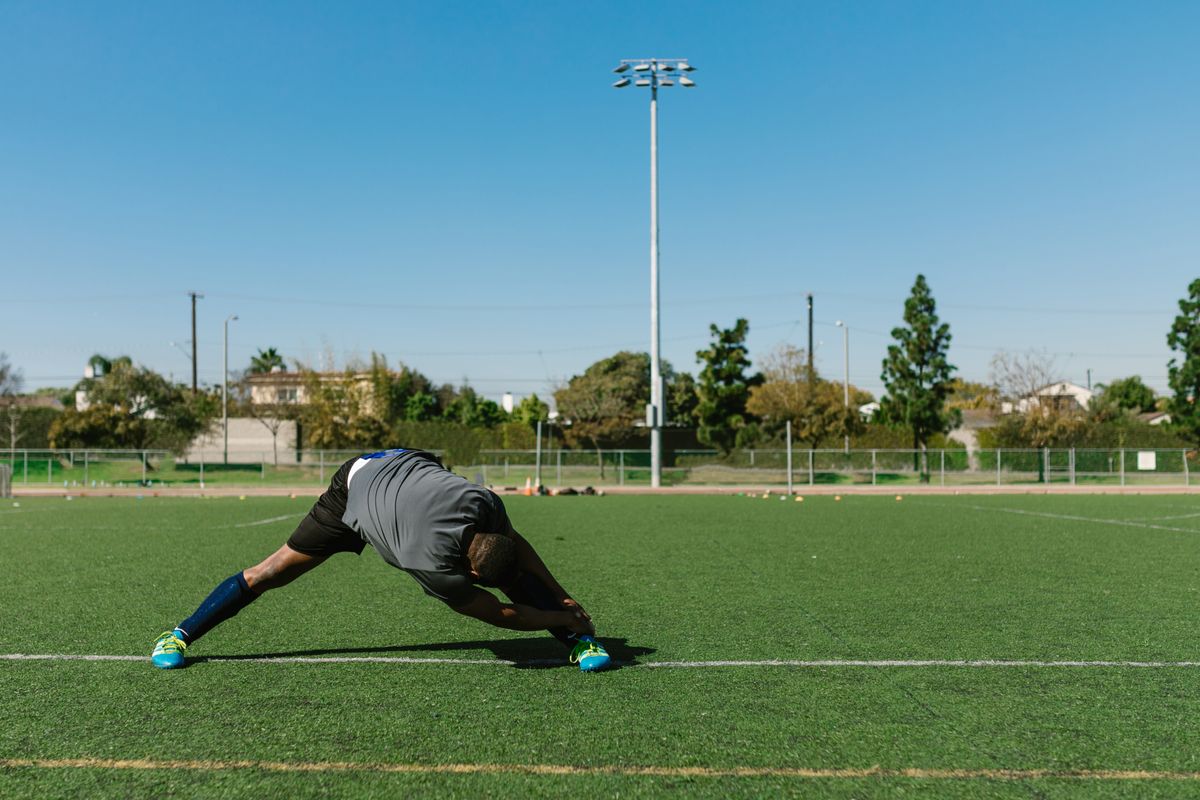
Protein by training level
- [Foundation](/training/foundation) to [Level 2](/training/level-2): about 1.4 to 1.6 g per kg a day (about 0.6 to 0.7 g per lb) across three or four meals. One shake on training days is usually enough.
- [Level 3](/training/level-3) to [Level 4](/training/level-4): 1.6 to 2.0 g per kg (about 0.7 to 0.9 g per lb). Whey after lifting, collagen before heavy lower-body or impact days.
- [Level 5](/training/level-5) to [Level 6](/training/level-6): up to 2.0 to 2.2 g per kg (about 0.9 to 1.0 g per lb) during high volume or a calorie deficit, spread over four or five feedings.
Dial in your protein this week
0/5If you are in a deficit, the Cut and Lean mission explains how to keep protein high while calories drop, and the Build Muscle mission lays out a full week. For joints specifically, read our joint care guide, and for meal timing after hard sessions, see recovery nutrition.
FAQ
Is whey isolate better than whey concentrate for building muscle?
Matched for protein, both support muscle growth. Isolate has less lactose, fat and carbohydrate per scoop, which helps if dairy bothers your stomach or you are tracking calories closely.
How much protein do athletes need per day?
Most exercising adults do well with 1.4 to 2.0 g per kg of body weight a day (about 0.6 to 0.9 g per lb), according to the ISSN. Gains from extra protein tend to level off around 1.6 g per kg (about 0.7 g per lb) for many people.
Should collagen count toward my protein goal?
Count it separately. Collagen lacks tryptophan and is low in leucine, so it does not replace a leucine-rich protein meal. Use it as extra support for tendons and ligaments.
When should I take collagen?
The research idea is about 30 to 60 minutes before a session that loads your tendons, together with vitamin C. Our collagen gives 20 g of hydrolyzed collagen per two scoops.
Can I mix collagen into hot coffee?
Yes. Hydrolyzed collagen peptides dissolve well in hot drinks, and normal brewing temperatures are fine.
IF YOU WANT A HAND
Fuel that fits this plan
Food and habits come first. If a supplement makes your routine easier, these are the ones that match this article.
SOURCES
- Jäger R et al. ISSN position stand: protein and exercise (2017)
- Morton RW et al. Protein supplementation and resistance training-induced gains in muscle mass and strength: meta-analysis (2018)
- Shaw G et al. Vitamin C-enriched gelatin supplementation before intermittent activity augments collagen synthesis (2017)
This article is for general education and is not medical advice. Talk to your doctor before starting a supplement, especially if you have a health condition, take medication, are pregnant or are under 18. Results vary from person to person.