THE SHORT ANSWER
Beetroot works through dietary nitrate, which your body turns into nitrite and then nitric oxide. In studies, about 5 to 9 mmol of nitrate (roughly 310 to 560 mg), usually from concentrated beet juice taken 2 to 3 hours before exercise, lowered the oxygen cost of steady exercise and extended time to exhaustion. The effect is small, clearest in recreational athletes, and depends on the nitrate dose, so check what a product actually delivers.
KEY TAKEAWAYS
- Nitrate, not the beet color or flavor, is the active part.
- Research doses: about 5 to 9 mmol (310 to 560 mg) of nitrate, 2 to 3 hours before.
- An 80-study meta-analysis found a small benefit, not seen on average in highly trained endurance athletes.
- Skip antibacterial mouthwash around your dose; mouth bacteria do the first step.
How beetroot works: from nitrate to nitric oxide
Beets, arugula, spinach, celery and other leafy greens are rich in inorganic nitrate. According to a 2014 review by exercise physiologist Andrew Jones, many of these vegetables contain more than 250 mg of nitrate per 100 g. After you eat or drink them, part of that nitrate is concentrated in your saliva, where bacteria in your mouth convert it to nitrite. Nitrite then circulates in your blood and can be converted to nitric oxide, especially in working muscle where oxygen runs low.
Nitric oxide helps regulate blood flow and how efficiently muscles use oxygen. An early 2009 study found that beet juice lowered the oxygen cost of low-intensity exercise. In plain terms, the same pace cost a little less. That is the effect runners are after.
What the research shows for runners
A 2013 dose-response study gave 10 men 70, 140 or 280 mL of concentrated beet juice, containing 4.2, 8.4 and 16.8 mmol of nitrate. Plasma nitrite peaked about 2 to 3 hours later. The smallest dose did nothing measurable. The middle and large doses lowered oxygen use during moderate exercise and extended time to exhaustion by 14% and 12%. Going from 8.4 to 16.8 mmol added nothing. Note that the testing was on a bike, not a track.
The biggest picture comes from a 2020 meta-analysis of 80 placebo-controlled studies by Mayo Clinic researchers. Nitrate improved performance overall, but the effect was objectively small. It was clear in recreationally active young men, not seen on average in well-trained endurance athletes with a VO2 max of 65 mL per kg per minute or higher, and there were too few women-only studies to draw a conclusion. A 2019 review of nutrition for distance runners lists caffeine and, perhaps, nitrate as evidence-based performance supplements.
| Runner | Likely effect | Why |
|---|---|---|
| Recreational and age-group runners | Small but measurable in studies | The group with the clearest results |
| Highly trained endurance runners | Little to none on average | No effect at a VO2 max of 65 mL/kg/min or higher in the 2020 meta-analysis |
| Women | Unclear | Too few women-only studies to say either way |
Dose and timing: how to take beetroot before a run
- Dose: Jones notes that about 5 to 9 mmol of nitrate a day, roughly 310 to 560 mg, produced favorable effects in studies, with no evidence so far that more adds benefit.
- Timing: take it 2 to 3 hours before your run or race, when plasma nitrite peaks.
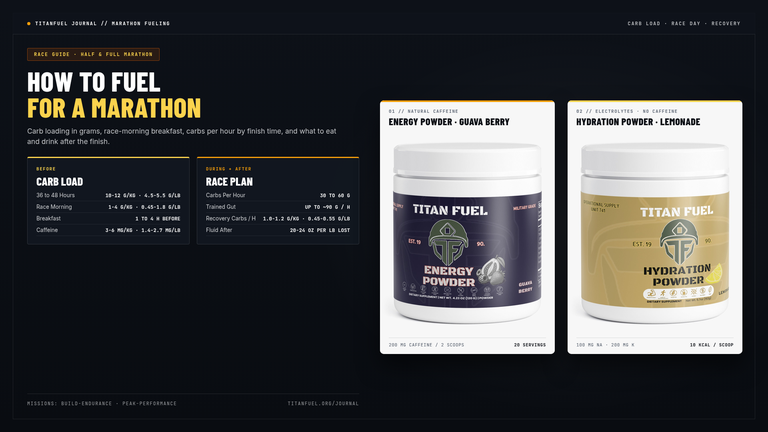
- Days before: many studies used several days of daily intake, and in one study the effect on exercise efficiency held for at least 2 weeks with continued use. Starting 3 to 6 days before a key race is a common approach.
- Mouthwash: an antibacterial mouthwash markedly blunted the rise in plasma nitrite in a study Jones cites. Skip it on dosing days.
- Test it: try it before a long run first. Some runners find concentrated beet juice hard on the stomach, and pink urine afterward is common.
Juice, shots or powder: what to check on the label
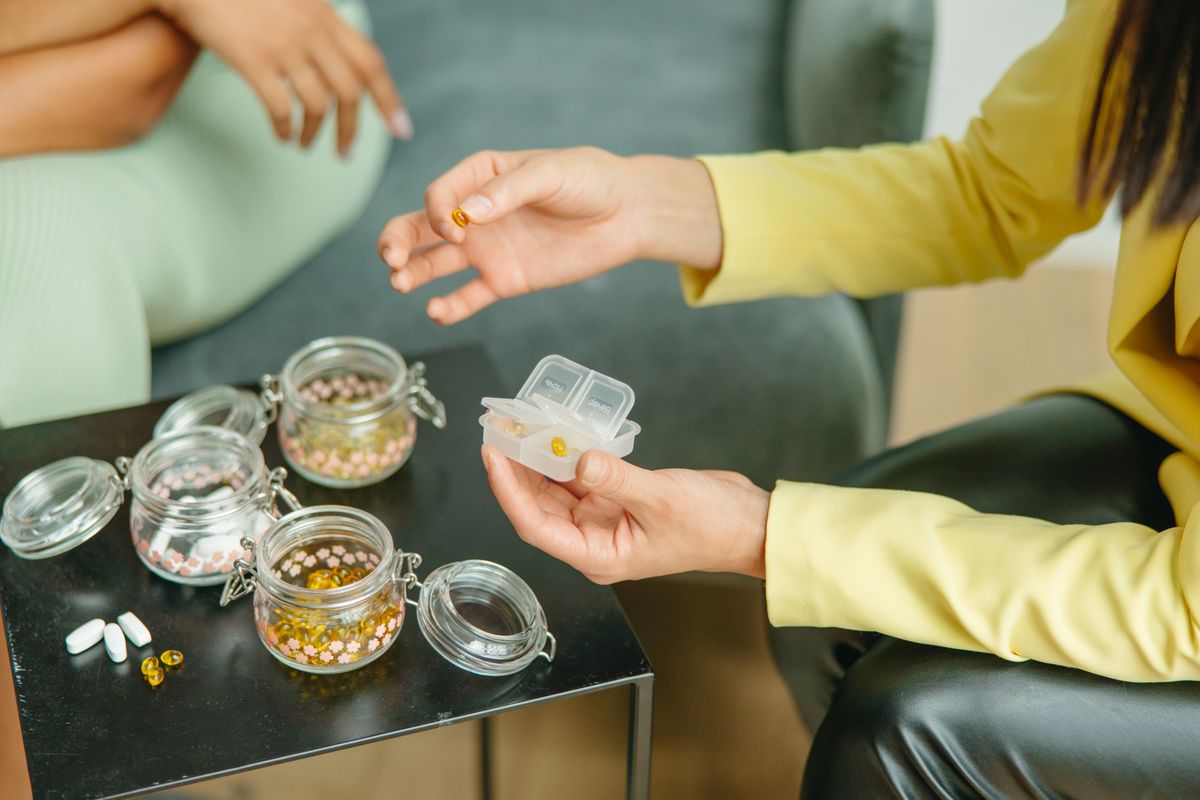
The NIH Office of Dietary Supplements notes that beetroot comes as juice, concentrate or powder, and that the amount of nitrate can vary considerably among products. The studies above used concentrated juice with a measured nitrate dose. So the only label number that matters for performance is nitrate, in mg or mmol per serving. If a product does not list it, you cannot know whether it reaches the research range.
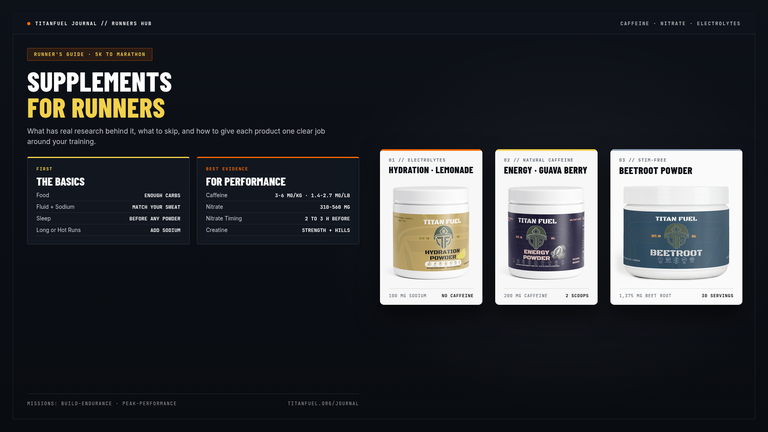
We hold our own products to the same test. Our Beetroot Powder contains 1,375 mg of beet root powder, 1,000 mg of hibiscus and 500 mg of apple juice powder per scoop. The label does not state its nitrate content, so we do not present it as a research-dose nitrate product. We use it as a caffeine-free daily beet drink alongside nitrate-rich vegetables. For race-day nitrate dosing, a concentrated beet juice that lists its nitrate is the tool that matches the studies.
People often ask about pairing beets with citrulline, which feeds the body's other nitric oxide pathway. Our L-Citrulline & L-Arginine Stack gives you 400 mg of L-citrulline DL-malate per two capsules, well below the multi-gram doses in most citrulline research. Think of it as a caffeine-free base, not a race-day tool.
MYTH OR FACT
Beetroot myths, checked
Tap a myth to see the facts.
MYTHBeet juice works right away.
FACTPlasma nitrite peaks about 2 to 3 hours after a dose, so take it well before you start.
MYTHMore beet juice means more benefit.
FACTIn a dose-response study, 16.8 mmol of nitrate did no better than 8.4 mmol.
MYTHAny beet powder equals a beet juice shot.
FACTNitrate varies a lot between products. Only a label that lists nitrate tells you the dose.
My beetroot race plan
0/5Nitrate is a small edge on top of the big rocks: training, carbs, fluids and sleep. Read our complete guide to supplements for runners and our marathon fueling plan, or follow the Build Endurance mission.
FAQ
Does beetroot juice improve running performance?
It can, slightly. A meta-analysis of 80 studies found a small benefit, clearest in recreationally active men, and no effect on average in highly trained endurance athletes.
How long before a run should I drink beet juice?
About 2 to 3 hours before, when plasma nitrite peaks. Many runners also take it daily for a few days before a race.
How much beetroot juice should I drink before a race?
Aim for the nitrate, not the volume: about 5 to 9 mmol (310 to 560 mg) in studies. Check the label of your juice or shot for the nitrate amount.
Is beetroot powder as good as beet juice?
Only if it delivers a similar nitrate dose. Many powders do not list nitrate, including ours, so concentrated juice with a labeled dose is the closer match to research.
Can I take beetroot every day?
Many studies used daily intake for several days to 2 weeks. Follow the product label, and talk to your doctor if you have a medical condition or take medication.
IF YOU WANT A HAND
Fuel that fits this plan
Food and habits come first. If a supplement makes your routine easier, these are the ones that match this article.
SOURCES
- Jones AM. Dietary nitrate supplementation and exercise performance (2014)
- Wylie LJ et al. Beetroot juice and exercise: pharmacodynamic and dose-response relationships (2013)
- Senefeld JW et al. Ergogenic effect of nitrate supplementation: a systematic review and meta-analysis (2020)
- Bailey SJ et al. Dietary nitrate supplementation reduces the O2 cost of low-intensity exercise (2009)
- Burke LM et al. Contemporary nutrition strategies to optimize performance in distance runners and race walkers (2019)
- NIH Office of Dietary Supplements. Dietary supplements for exercise and athletic performance: fact sheet for health professionals
This article is for general education and is not medical advice. Talk to your doctor before starting a supplement, especially if you have a health condition, take medication, are pregnant or are under 18. Results vary from person to person.