THE SHORT ANSWER
On long days, hydration and focus come from a system you set up before the start: know your route and refill points, sip on a schedule instead of waiting for thirst, practice your drink and snack combo in training, and split the day into short sections with one simple cue each. Never test something new on event day.
KEY TAKEAWAYS
- Plan bottles, refills and food around the route and the forecast.
- Sip small amounts on a timer instead of waiting until you are thirsty.
- Practice your event-day drinks and snacks during normal training.
- Break long efforts into sections with one cue each to stay sharp.
Long days reward simple systems
A long endurance day tests more than your legs. There is gear to check, food to pack, route changes and hours of small decisions. Hydration and focus work best when they are part of a system you build before the start, not a problem you try to fix once you already feel cooked.
Start with four facts: the route, the forecast, how long you will be out and where you can refill. A 45-minute morning run and a four-hour ride do not need the same setup. Traveling to an event or doing two sessions in a day? Pack more than one way to drink and eat so one missed stop does not wreck the plan.
Sip to a schedule
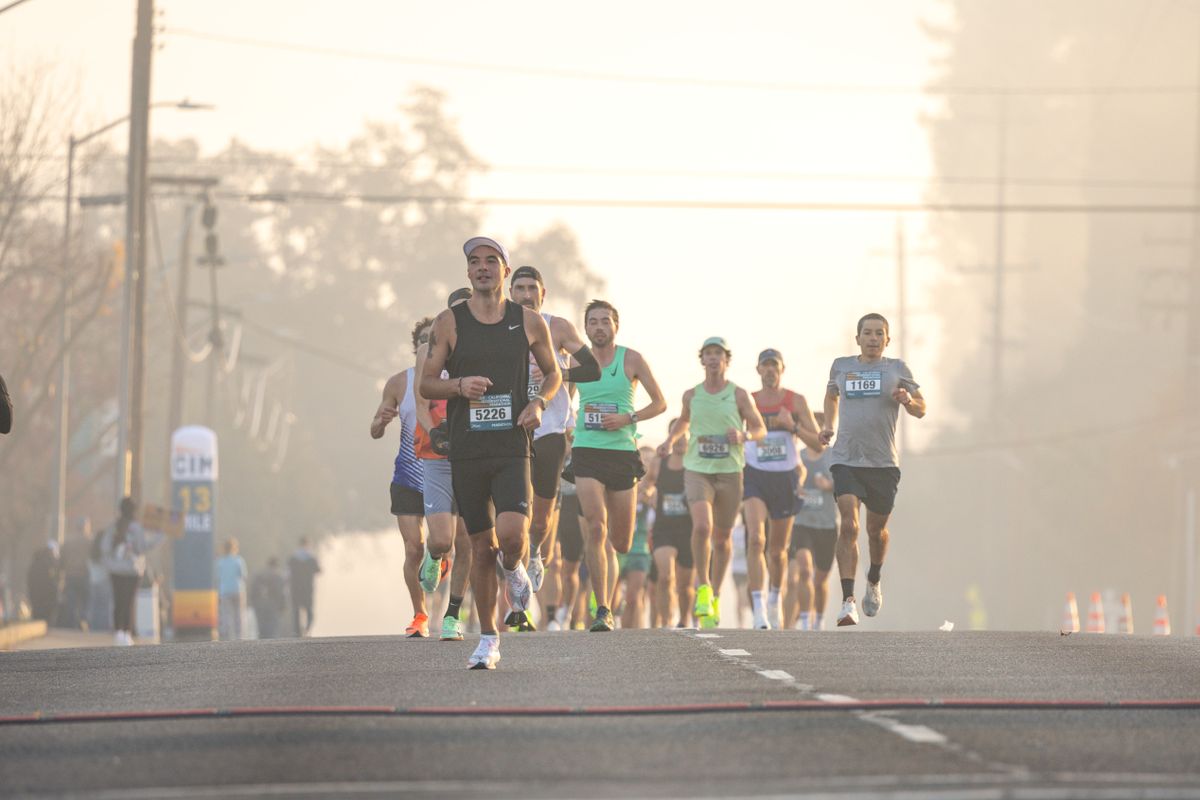
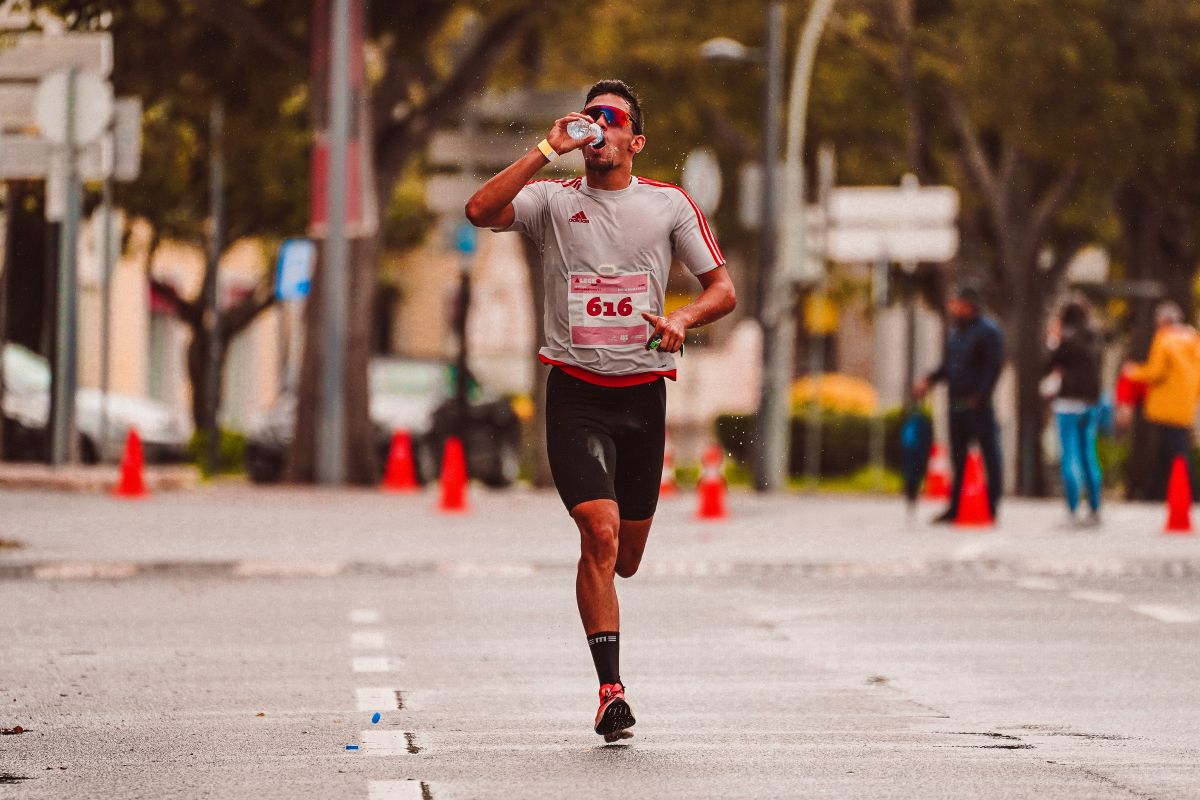
Use reminders instead of waiting for a dramatic thirst signal. Small sips every 10 to 20 minutes are easier on your stomach than a big gulp once an hour, especially while running. Many watches can buzz you on a timer. Use it.
Test bottle placement, your vest or pack and your refill plan in training. The best setup is the one you can reach without breaking rhythm. If you have to stop and dig through a bag, you will drink less than you planned.
Heat, humidity, wind, clothing and indoor air all change how much you sweat, and sweat rates vary a lot from one athlete to the next. That is why general guidelines are a starting point, not a prescription. A simple weigh-in before and after a training session tells you more than any chart. For a full sweat-rate test and a fueling calculator for riders, see our guide to hydration and electrolytes on long rides (coming soon).
Protect your attention
Focus is easier when the next decision is obvious. Break a long session into sections and give each one a single cue: relaxed shoulders, steady cadence, controlled breathing or quiet feet. Check your bottle and fuel at planned points. Tiny tasks stop being distractions and you notice early when the plan needs adjusting.
Some athletes like a small caffeine boost late in a long day. If that is you, test the timing and amount in training first, keep it consistent and count every source. Caffeine is personal, and more is not better.
QUICK QUIZ
How ready is your long-day system?
Pick the answer closest to your last long session.
Pack for the real day
Make a short checklist and reuse it. Cyclists may want extra bottles and a top-tube bag for food. Runners can stash supplies along a loop or use a vest that does not bounce. Athletes at tournaments or fight events can organize drinks and food by session instead of carrying one chaotic bag.
Long-day pack list
0/6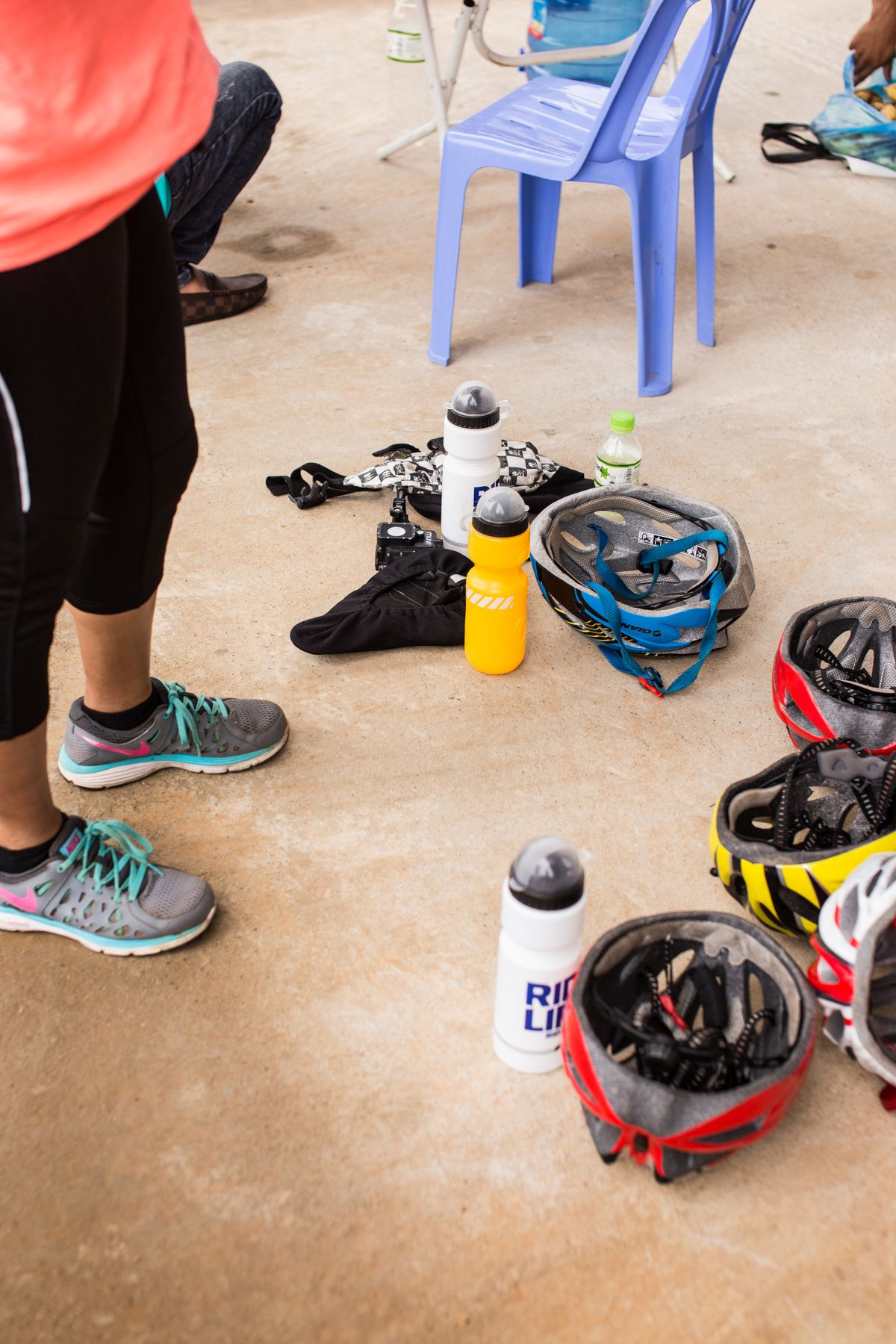
Review it afterward
Write down what worked. Did you drink early enough? Was your bottle easy to reach? Did your food match the duration? Did focus fade because of logistics rather than effort? Those answers make the next long day easier. Before your next session, check our pre-workout timing guide too.
FAQ
How much should I drink during a long run or ride?
It depends on your sweat rate, the heat and the duration. A common starting point is small sips every 10 to 20 minutes, then fine-tuning by weighing yourself before and after training. Avoid losing more than about 2 percent of body weight, and do not overdrink either.
Do I need electrolytes or is water enough?
For most sessions under an hour, water is enough. For long or hot sessions with heavy sweating, adding electrolytes, and sodium in particular, helps replace what you lose.
How do I stay focused late in a long session?
Break it into sections with one simple cue each, check fluids and fuel at planned points, and practice the same routine in training so event day feels familiar.
IF YOU WANT A HAND
Fuel that fits this plan
Food and habits come first. If a supplement makes your routine easier, these are the ones that match this article.
SOURCES
This article is for general education and is not medical advice. Talk to your doctor before starting a supplement, especially if you have a health condition, take medication, are pregnant or are under 18. Results vary from person to person.