THE SHORT ANSWER
They do different jobs. Melatonin is a hormone your brain releases in the dark to signal that it is night, and as a supplement it is mainly a timing tool for jet lag or a shifted schedule. Magnesium is a mineral involved in normal muscle and nerve function that many Americans under-eat. For most athletes, a steady evening routine plus enough magnesium is the everyday base, and melatonin is something to keep for travel nights.
KEY TAKEAWAYS
- Melatonin shifts when you feel sleepy. It is not a nightly recovery supplement.
- Magnesium supports normal muscle and nerve function. Food comes first.
- Keep supplemental magnesium at or under 350 mg a day, counting every product.
- A low dose works for travel. Our Sleep Strips contain 1 mg of melatonin per strip.
Two different jobs
Athletes often lump these two together because both show up in the evening aisle. That is where the similarity ends. One is a hormone signal. The other is a mineral your body uses all day, every day.
Melatonin rises when it gets dark and tells your internal clock that night has started. Taken as a supplement, it is best known for helping people adjust the timing of sleep, for example after flying across several time zones. It does not restore anything you lost in training.
Magnesium is involved in more than 300 enzyme systems, according to the NIH Office of Dietary Supplements, including those for muscle contraction, nerve function and energy production. Your muscles need it to relax after they contract. It is not a sedative, and it is not a sleep switch.

Why hard evening training makes sleep harder
If you finish deadlifts or sparring at 7:30 p.m. and stare at the ceiling at 10:30, a lack of melatonin is rarely the reason. Hard training raises your heart rate, your core temperature and your alertness. Late caffeine stacks on top of that. Bright screens after the session push your clock later still.
Those are routine problems, and they have routine fixes: a caffeine cutoff, a cool-down period, a dark room and a consistent bedtime. Plug your bedtime into the planner and work backward.
INTERACTIVE
Bedtime planner
Work back from your alarm.
- Last caffeine: 2:30 p.m.
- Dinner done by: 8:00 p.m.
- Screens down, lights low: 9:45 p.m.
- Lights out: 10:30 p.m.
Adults generally need 7 or more hours; many athletes do better with 8 to 9.
Magnesium: the numbers that matter
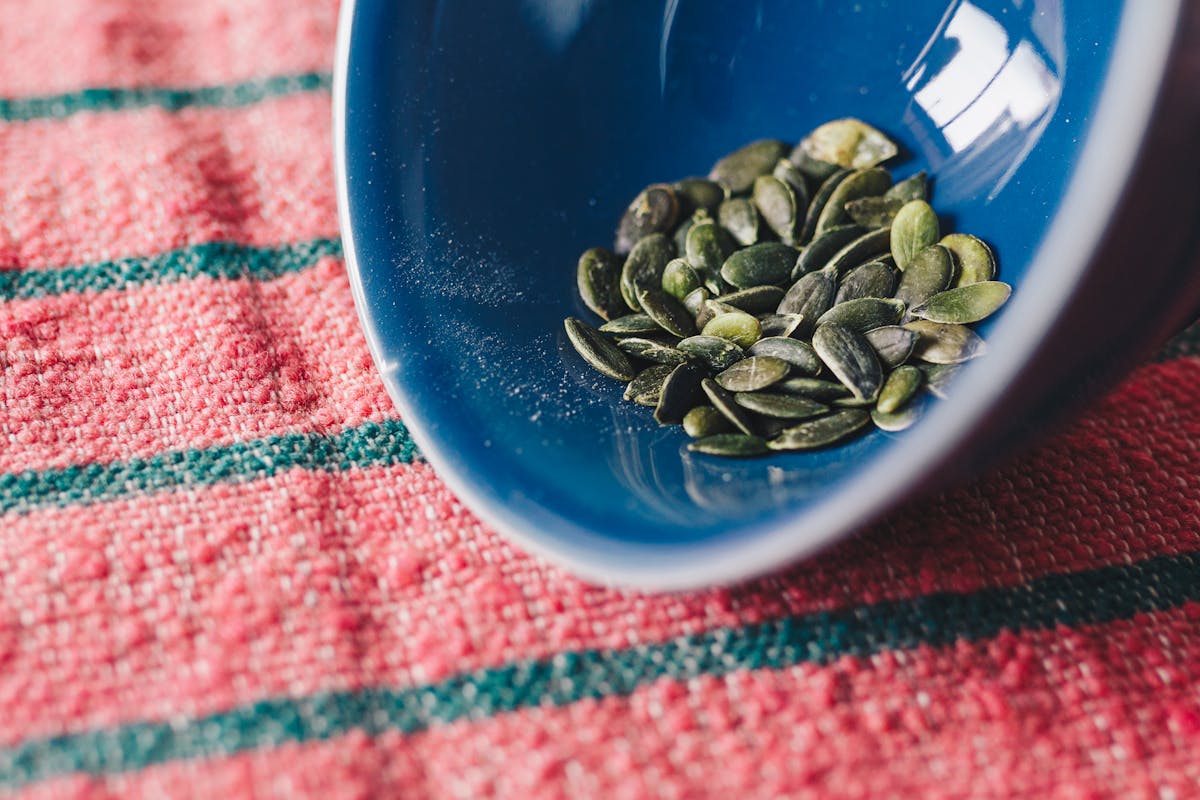
Adult men need about 400 to 420 mg of magnesium a day from all sources, and adult women about 310 to 320 mg. NIH survey data show that 48 percent of Americans get less than they need from food. Pumpkin seeds, chia, almonds, spinach and black beans are the easy wins.
Supplements have a separate ceiling. The upper limit for magnesium from supplements and medications is 350 mg a day for adults. Above that, the usual side effects are digestive: loose stools, nausea, cramping. Food magnesium does not count toward that limit.
Read the elemental number
Supplement Facts panels list the elemental magnesium, and that is the number that counts toward the 350 mg. Magnesium glycinate is magnesium bound to the amino acid glycine, so most of the compound weight is glycine. On our label, 2,500 mg of magnesium glycinate supplies 275 mg of elemental magnesium per three-capsule serving. Many people choose the glycinate form because it tends to be easy on the stomach.
One more thing to add up: other products. A scoop of Creatine Hydration Powder has 60 mg of magnesium. Add three capsules of magnesium glycinate and you are at 335 mg. Still under the limit, but there is not much room for a third product.
Melatonin: a travel tool, not a nightly habit
Melatonin earns its place when your clock and your schedule disagree: a red-eye to an East Coast tournament, a switch from night shifts, the first nights in a new time zone. In those cases, a low dose taken shortly before your target bedtime can help you adjust.
Dose is worth a look. Store shelves are full of 5 and 10 mg gummies, while many sleep researchers favor much lower amounts. Quality is another issue. A study of melatonin products sold in Canada found the actual content ranged from 83 percent below to 478 percent above the label. Choose a product with a clear, modest dose and use it for a specific reason.
Our Sleep Strips contain 1 mg of melatonin with 50 mg of valerian root, 20 mg of lavender, 10 mg of chamomile and 10 mg of hibiscus. The label limit is one strip a day. Some people feel groggy the morning after melatonin, so test it on a night when you do not have a 6 a.m. session.
| Situation | Better fit | Why |
|---|---|---|
| Regular training week at home | Routine plus magnesium from food, with a supplement if your diet is light | Your clock is fine; the routine and minerals are the levers |
| Flight across 2 or more time zones | Low-dose melatonin near the new bedtime | It shifts timing, which is the actual problem |
| Switching off night shifts | Low-dose melatonin plus bright morning light | Same timing problem, different cause |
| Late caffeine or late screens | Neither. Fix the cutoff and the lights | No supplement cancels a 5 p.m. pre-workout |
Where ashwagandha fits
Some athletes add Ashwagandha Plus to their evening during heavy training blocks. Each two-capsule serving contains 600 mg of KSM-66 ashwagandha root extract, plus maca, Panax ginseng, shatavari, vitamin D3, B6 and B12. The NIH Office of Dietary Supplements notes that ashwagandha research is still limited and mostly short term, so think of it as an optional extra rather than a must-have. Skip it if you are pregnant, and check with your doctor first if you have a liver or thyroid condition or take any prescription medication.
MYTH OR FACT
Evening supplement myths, checked
Tap a myth to see the facts.
MYTHAthletes sleep badly because they lack melatonin.
FACTLate caffeine, late training, bright screens and irregular bedtimes are far more common causes.
MYTHMagnesium knocks you out.
FACTMagnesium supports normal muscle and nerve function. It can be part of a calm routine, but it is not a sedative.
MYTHA bigger melatonin dose works better.
FACTFor timing problems, low doses are common. Higher doses raise the odds of next-day grogginess for some people.
MYTHAll magnesium on the label counts the same.
FACTOnly elemental magnesium counts toward the 350 mg supplement limit. Check the Supplement Facts panel.
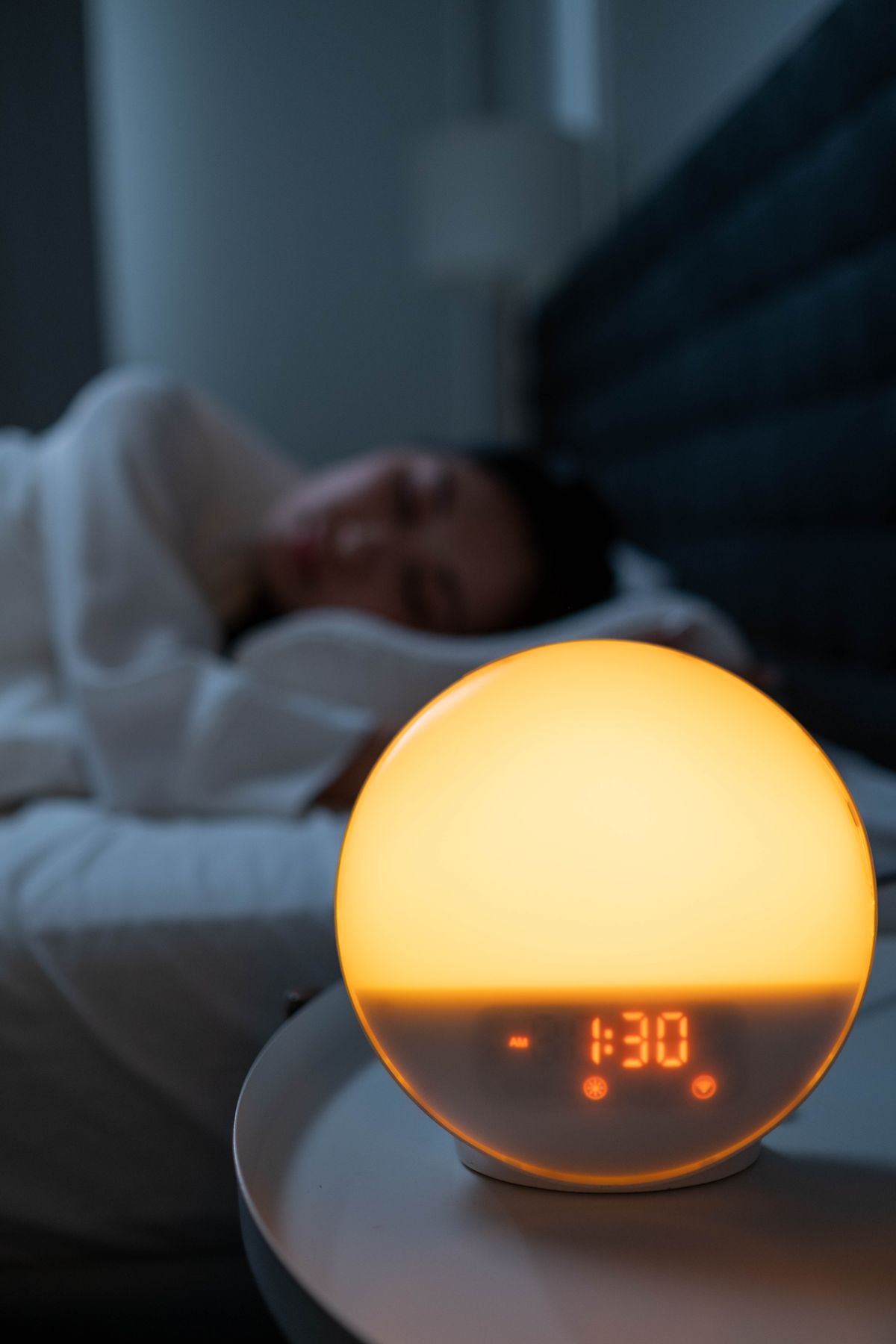
A simple evening plan for a 6 a.m. session
- 2 p.m.: last caffeine of the day, including pre-workout.
- 7 p.m.: dinner with protein, carbs and a magnesium-rich side such as black beans or spinach. Magnesium glycinate with the meal if you use it.
- 9 p.m.: screens dimmed, room cooled, tomorrow’s gear packed.
- 9:45 p.m.: lights out, same time every night, weekends included.
Try this for the next 14 nights
0/5For a deeper look at food sources and the research on sleep and performance, read magnesium and sleep for athletes. If your days stack two sessions, recovery between two-a-days (coming soon) covers the gap. The Lifestyle mission and the Foundation level are good places to build the routine before adding anything.
FAQ
Is magnesium glycinate better than melatonin for athletes?
They do different things. Melatonin adjusts the timing of sleep and fits travel or shift changes. Magnesium supports normal muscle and nerve function and fits an everyday routine, especially if your diet is low in magnesium.
Can I take magnesium glycinate and melatonin together?
Many people do on travel nights. Keep the melatonin dose low, follow both labels and check with your doctor if you take medication. On normal nights at home, most athletes do not need melatonin.
How much magnesium can I take per day?
Adults should keep magnesium from supplements and medications at or under 350 mg a day. Food does not count toward that limit. Three capsules of TitanFuel Magnesium Glycinate supply 275 mg.
Does melatonin cause grogginess?
Some people feel groggy the next morning, especially at higher doses. Test it on a night before an easy morning, not before a race or early session.
When should I use Sleep Strips?
Use them for specific timing problems such as jet lag or switching off night shifts. Each strip has 1 mg of melatonin, and the label limit is one strip a day.
IF YOU WANT A HAND
Fuel that fits this plan
Food and habits come first. If a supplement makes your routine easier, these are the ones that match this article.
SOURCES
- NIH Office of Dietary Supplements: Magnesium Fact Sheet for Health Professionals
- NIH Office of Dietary Supplements: Ashwagandha Fact Sheet for Health Professionals
- Erland LAE, Saxena PK. Melatonin natural health products and supplements: variability of melatonin content (2017)
- Bannai M et al. Glycine and subjective daytime performance in partially sleep-restricted volunteers (2012)
This article is for general education and is not medical advice. Talk to your doctor before starting a supplement, especially if you have a health condition, take medication, are pregnant or are under 18. Results vary from person to person.