THE SHORT ANSWER
Your gut absorbs nearly all the protein you eat; the real question is how much your muscles use from one meal. There is no hard 30 g cap. Studies show 40 g beats 20 g after full-body training, and a 2023 trial found 100 g produced a bigger and longer response than 25 g. For most athletes, about 0.4 g per kg (0.18 g per lb) per meal, four or more times a day, is a practical target.
KEY TAKEAWAYS
- Absorption and muscle use are two different questions.
- There is no hard 30 g limit per meal.
- About 0.4 g per kg (0.18 g per lb) per meal across at least four meals covers most athletes.
- Bigger meals still work when your schedule forces fewer of them.
Absorb versus use: the mix-up behind the myth
The idea that your body can only absorb 30 g of protein at a time has been repeated in gyms for decades. It mixes up two things. Absorption is your gut breaking protein into amino acids and moving them into your blood. Your gut is very good at this, and nearly all of it gets in. Use is what happens next: how much of those amino acids go into building muscle versus being burned for energy or used elsewhere.
Early research found that muscle building after a workout seemed to top out around 20 to 25 g of fast protein taken on its own. That finding turned into a rule of thumb, and the rule of thumb turned into a myth about absorption.
What the studies on 20, 40 and 100 grams show
In 2016, researchers in Scotland had trained men do a full-body workout and then drink either 20 g or 40 g of whey. Muscle protein synthesis was about 20% higher after 40 g, and the result did not depend on how much lean mass the men carried. Training more muscle at once seems to raise the ceiling.
In 2023, a team in Maastricht went further. After exercise, participants took either 25 g or 100 g of protein. The 100 g dose produced a greater response that lasted more than 12 hours, and the extra protein was not simply burned off. A 2018 review by Schoenfeld and Aragon had already concluded that larger doses are partly oxidized, but some of the extra still goes to building tissue.
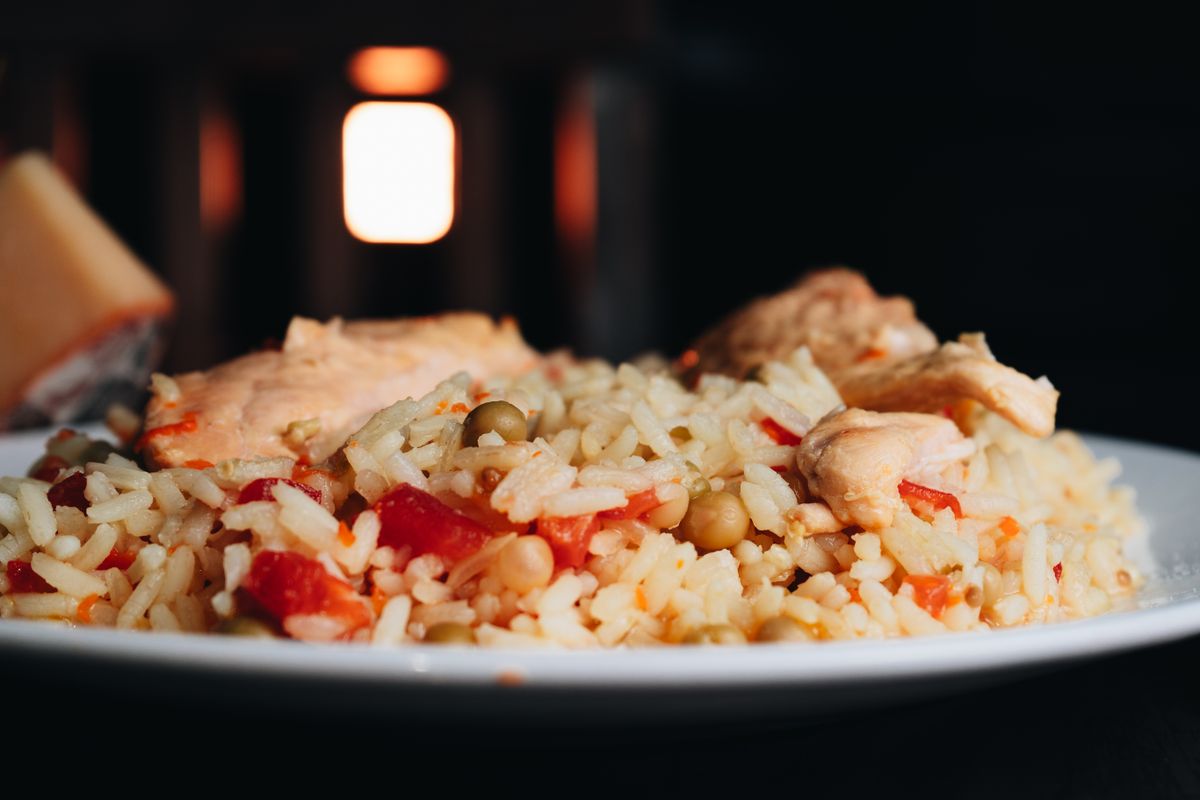
None of this means you should eat 100 g in one sitting. It means a big dinner after a long day is not wasted, and you can stop worrying over a few grams either way. Spreading protein out still works best for most people.
Practical targets per meal and per day
The ISSN recommends 1.4 to 2.0 g of protein per kg of body weight a day (about 0.6 to 0.9 g per lb) for most exercising people, with doses of about 0.25 g per kg (0.11 g per lb), or 20 to 40 g, every 3 to 4 hours. Schoenfeld and Aragon suggest a slightly higher 0.4 g per kg per meal (0.18 g per lb) across at least four meals to reach 1.6 g per kg a day (about 0.7 g per lb), with up to 0.55 g per kg (0.25 g per lb) per meal if you aim for 2.2 g per kg (1.0 g per lb).
| Body weight | Per meal | Daily total |
|---|---|---|
| 140 lb (64 kg) | About 25 g | About 100 g |
| 170 lb (77 kg) | About 31 g | About 125 g |
| 200 lb (91 kg) | About 36 g | About 145 g |
| 230 lb (104 kg) | About 42 g | About 165 g |
INTERACTIVE
Protein per meal calculator
Your daily target, split across your meals.
Per meal: about 31 to 45 g across 4 meals. Per-meal marker: about 33 g.
Range 0.7 to 1.0 g per lb per day (about 1.6 to 2.2 g per kg), a common target for people who train hard. About 0.4 g per kg per meal is a useful per-meal marker.

When your schedule will not cooperate
Four neat meals every 3 to 4 hours is easy on paper. It is harder on a 14-hour field day, during a fight camp with two sessions, or on a shift that starts at 0400. Here is how we would adapt.
- Field days and rucks: a protein-dense breakfast and a large dinner can carry the day. Add one shake or a ration with protein midday if you can.
- Two-a-days: put a 25 to 40 g dose in the gap between sessions, then a full meal after the second.
- Weight cuts: the ISSN notes that 2.3 to 3.1 g per kg a day (about 1.0 to 1.4 g per lb) may help lean trained athletes hold muscle while eating less. Work this out with your coach.
- 0500 PT: a shake after PT, before the workday, gets the first dose in early.
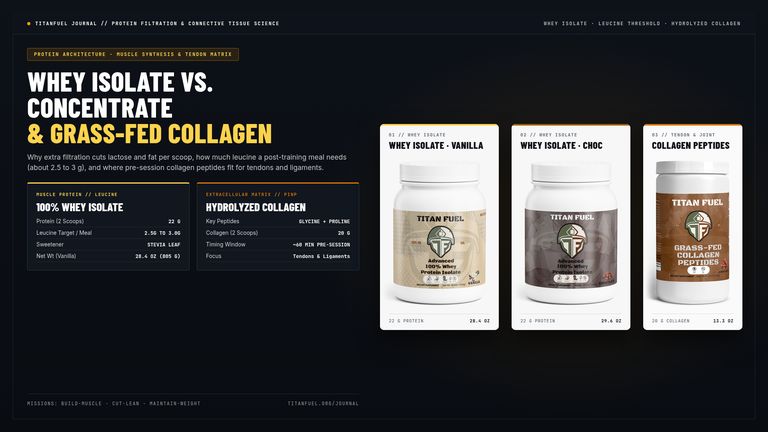
Our Advanced 100% Whey Protein Isolate (Chocolate) gives you 22 g of protein per two-scoop serving. For a 200 lb athlete aiming for about 36 g per meal, one serving plus a glass of milk or some Greek yogurt closes the gap.
Quality matters as much as quantity
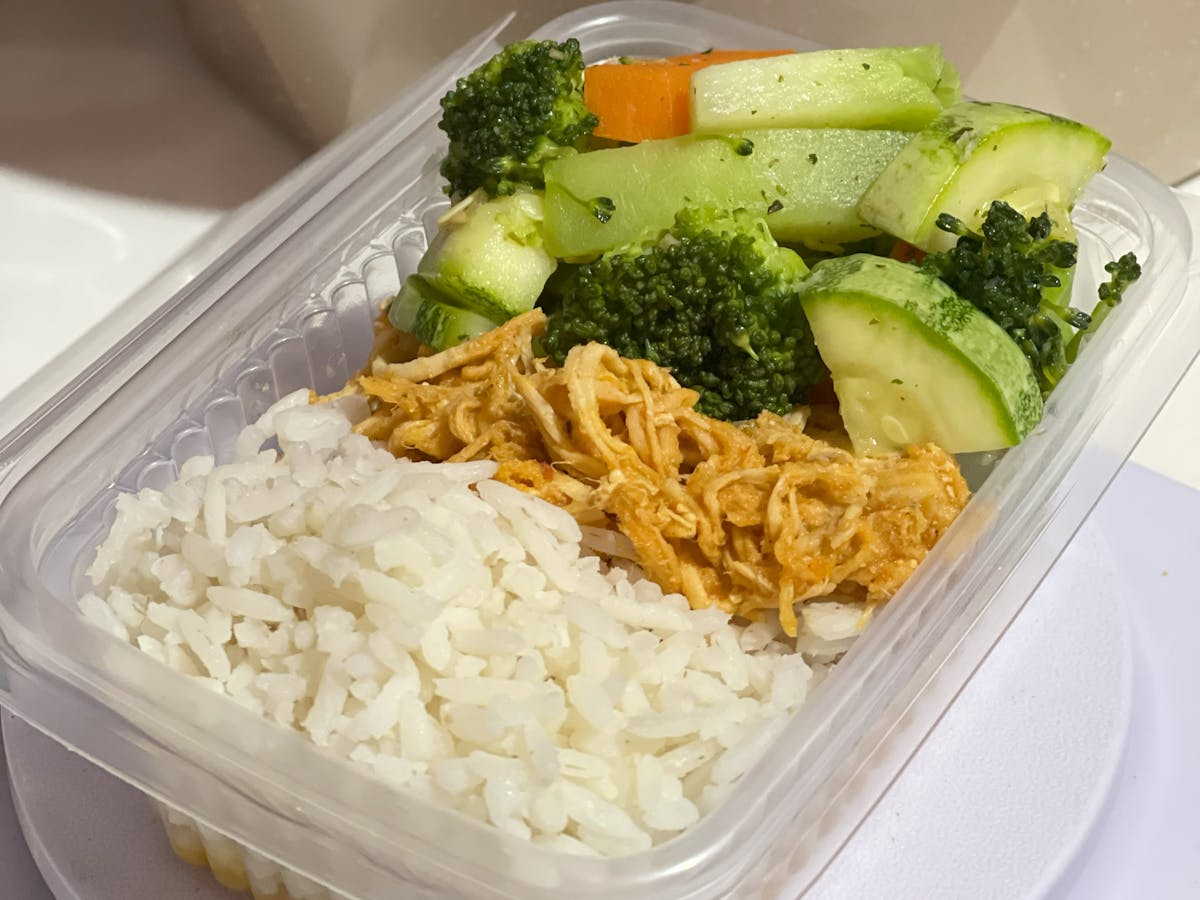
The ISSN position stand points to leucine as a key trigger, recommending about 700 to 3,000 mg per dose along with all the essential amino acids. Whey, milk, eggs, meat and fish all hit that easily at normal serving sizes. Collagen is a different case: it is low in leucine and is not a complete protein, so count it as extra support, not as one of your main protein doses.
MYTH OR FACT
Protein per meal myths, checked
Tap a myth to see the facts.
MYTHAnything over 30 g is wasted.
FACT40 g beat 20 g after full-body training, and 100 g produced a longer response than 25 g in a 2023 trial.
MYTHYou must eat protein within 30 minutes of training.
FACTThe ISSN says the training effect lasts at least 24 hours. Total daily protein and spacing matter more.
MYTHExtra protein just turns into fat.
FACTSome is used for energy, but research shows part of a larger dose still goes to building tissue.
If you train on our Build Muscle or Cut Lean mission, protein is the one number to track every day. Hit the daily total first, then spread it as evenly as your life allows.
FAQ
How much protein can your body absorb in one meal?
Your gut absorbs nearly all of it. How much your muscles use depends on the dose, the food and your training, and there is no hard 30 g cap.
Is 40 g of protein too much in one sitting?
No. A 2016 study found 40 g of whey produced a greater muscle-building response than 20 g after full-body training.
How much protein should I eat per meal?
About 0.4 g per kg (0.18 g per lb) per meal across at least four meals is a solid target. That is roughly 30 to 40 g for most athletes.
How much protein do I need per day?
The ISSN recommends 1.4 to 2.0 g per kg a day (about 0.6 to 0.9 g per lb) for most exercising people.
Is it bad to eat most of my protein at dinner?
It is not wasted, but spreading protein across the day works better for most people. Move some of it to breakfast and a post-training shake.
IF YOU WANT A HAND
Fuel that fits this plan
Food and habits come first. If a supplement makes your routine easier, these are the ones that match this article.
SOURCES
- Macnaughton LS et al. Muscle protein synthesis after whole-body resistance exercise: 40 g vs 20 g whey (2016)
- Trommelen J et al. The anabolic response to protein ingestion during recovery from exercise has no upper limit (2023)
- Schoenfeld BJ, Aragon AA. How much protein can the body use in a single meal for muscle-building? (2018)
- Jäger R et al. ISSN position stand: protein and exercise (2017)
This article is for general education and is not medical advice. Talk to your doctor before starting a supplement, especially if you have a health condition, take medication, are pregnant or are under 18. Results vary from person to person.