THE SHORT ANSWER
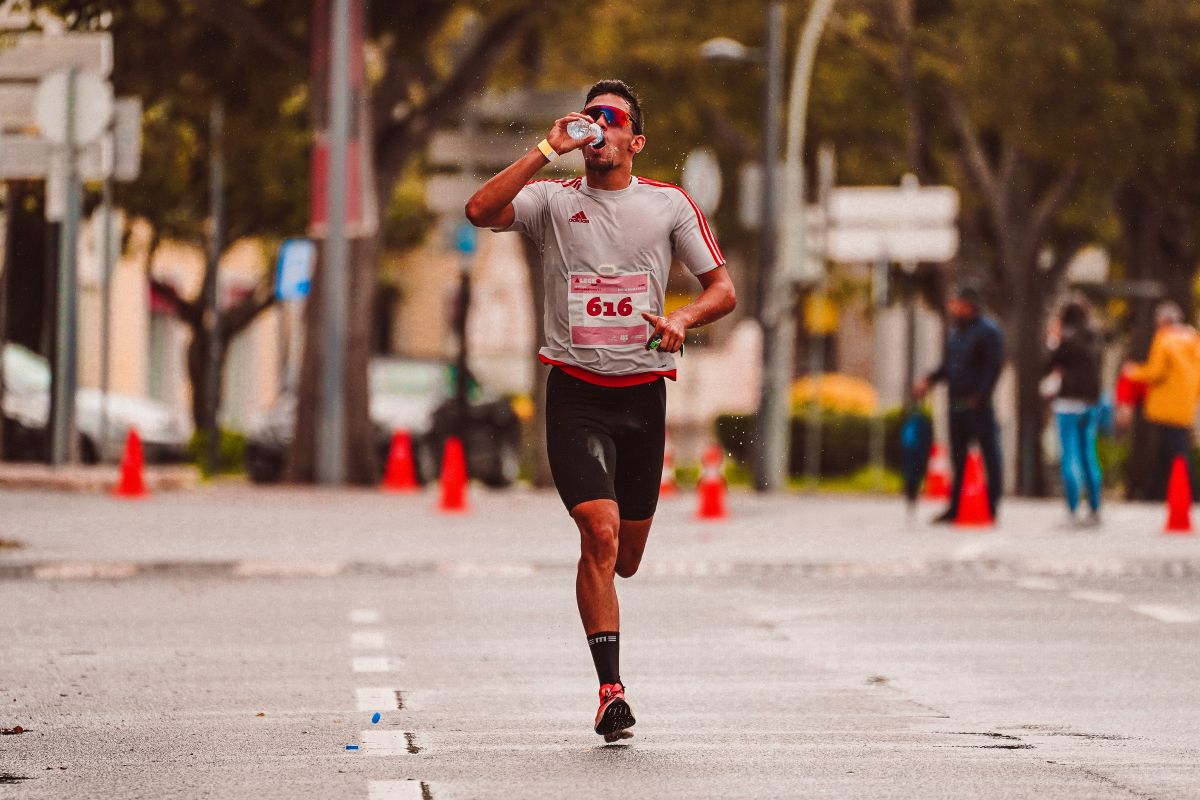
For runs under about an hour in mild weather, water and normal meals usually cover you. Past 60 to 90 minutes, in heat, or if you sweat heavily, add sodium: ACSM guidance for sports drinks works out to about 460 to 690 mg of sodium per liter, and salty sweaters may need more. Drink to a plan built from your own sweat rate, and never finish a run heavier than you started.
KEY TAKEAWAYS
- Sodium is the electrolyte you lose most. Potassium, magnesium and calcium are lost in much smaller amounts.
- Sweat rate and sweat sodium vary widely between runners, so test yours.
- Aim to lose less than about 2% of body weight on long runs, and never gain weight.
- One to two weeks of heat acclimatization does more for hot runs than any powder.
What you actually lose when you sweat
Sweat is mostly water, plus sodium and chloride, the two halves of table salt. You also lose potassium, magnesium and calcium, but in far smaller amounts. That is why sodium is the number to watch when you read an electrolyte label.
How much you lose is personal. A 2017 review of sweat testing in athletes found that both sweat rate and sweat sodium vary a lot between people and from day to day, depending on intensity, heat, heat acclimation, fitness, body size, sex and diet. Two runners on the same route can finish with completely different needs. If your hat or shirt dries with white streaks, your eyes sting from sweat, or your skin feels gritty after a run, you are probably on the salty end.
When runners need electrolytes, and when water is enough
| Run | Conditions | What to drink |
|---|---|---|
| Under 60 minutes | Cool or mild | Water, if anything |
| Under 60 minutes | Hot and humid | Water, plus a light electrolyte drink if you sweat heavily |
| 60 to 90 minutes | Any | Water with some sodium, especially in heat |
| Over 90 minutes | Any | Fluid with sodium, plus carbohydrate |
| Half or full marathon | Race day | The plan you practiced, nothing new |
The ACSM position stand on fluid replacement says drinks with electrolytes and carbohydrate can beat plain water in certain situations, mainly long and hot sessions, and suggests sports drinks with about 20 to 30 mEq of sodium per liter. That is roughly 460 to 690 mg of sodium per liter, or about 14 to 20 mg per fluid ounce. Use it as a floor for long, hot runs. Heavy, salty sweaters often need more.
Find your numbers with a one-run sweat test
- Pee, then weigh yourself in minimal clothing.
- Run for 60 minutes at your normal training pace, in the conditions you want to plan for.
- Track how much you drink.
- Towel off and weigh yourself again before you drink anything else.
- Sweat lost equals weight lost plus fluid drunk. The calculator does the math.
INTERACTIVE
Sweat rate calculator
Weigh in before and after a 1 hour session, add what you drank.
Body weight lost: 0.9%, under the 2% mark. Nice.
A practical drinking target: about 22 to 35 oz per hour, in small sips.
16 oz of sweat is about 1 lb of body weight. Urine during the session is ignored for simplicity.
Here is a real-world example. A 160 lb (73 kg) runner does an hour in July heat, drinks 12 oz and loses 2 lb. That is about 44 oz (1.3 L) of sweat in an hour. Two percent of body weight for this runner is 3.2 lb, so a 2 hour long run without drinking would push well past that line. Drinking about 24 to 32 oz (0.7 to 0.95 L) an hour at the ACSM sodium range would add roughly 330 to 650 mg of sodium per hour. Repeat the test in cool weather; the numbers can drop by half.
Hot-weather running: acclimatize, start hydrated, slow down
A 2015 consensus statement on training and competing in the heat names heat acclimatization as the single most important step: repeated training sessions in the heat over 1 to 2 weeks. It also recommends starting sessions well hydrated, limiting dehydration during exercise, and using cooling where you can. Here is how that looks for runners:
- Run early. The coolest hour of a summer day is usually just before sunrise.
- Run by effort, not pace. Your normal pace at 90°F (32°C) is a much harder run. Slow down and let heart rate or breathing guide you.
- Start hydrated. The ACSM suggests about 5 to 7 mL of fluid per kg of body weight (0.08 to 0.11 oz per lb) at least 4 hours before. For a 160 lb runner, that is about 12 to 17 oz.
- Plan your water. Carry a bottle or vest, or loop past a fountain. Humidity slows sweat evaporation, so you heat up faster on muggy days.
- Cool down fast. Cold drinks, ice in a hat or a wet towel on the neck help after the run.
If you feel dizzy, confused, or stop making sense to your running partner, stop. Get to shade and get help. No workout is worth pushing through that.
The other risk: drinking too much
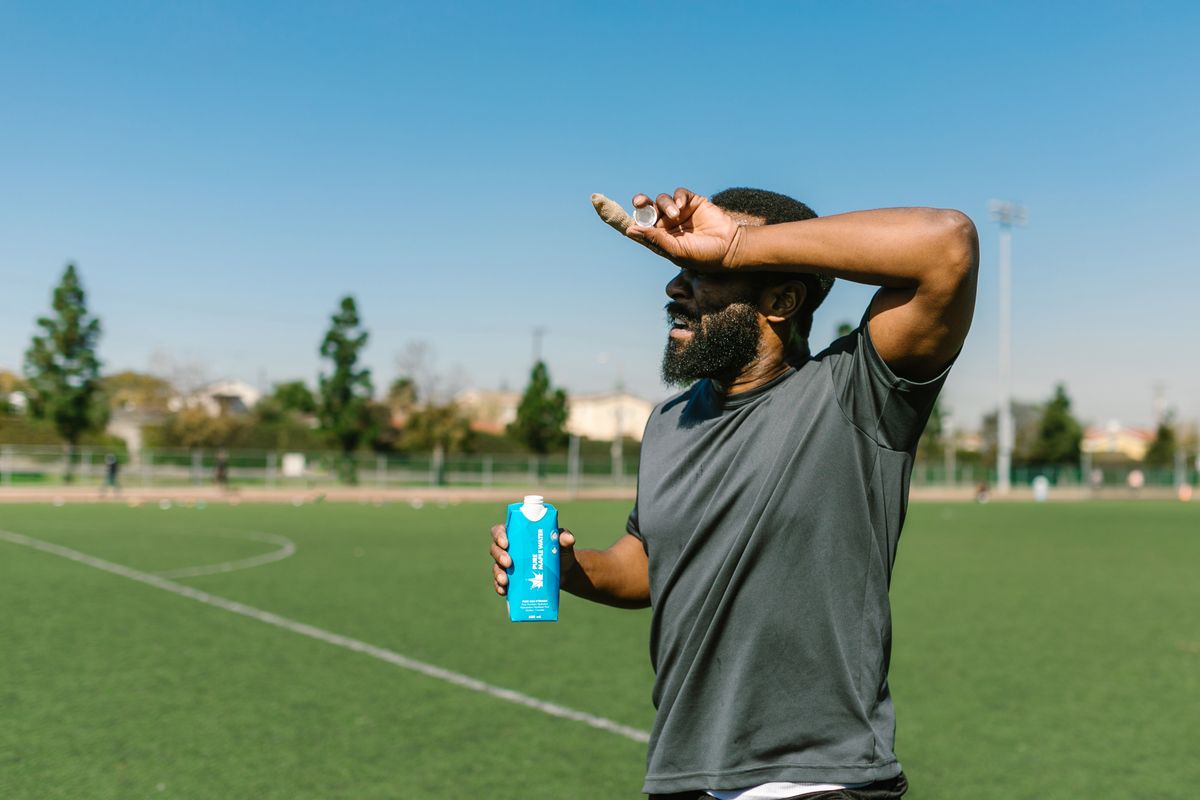
Dehydration gets most of the attention, but drinking far more than you sweat is a real risk too. The 2015 international consensus statement on exercise-associated hyponatremia, a dangerous drop in blood sodium, points to overdrinking as the main cause and supports using thirst to guide how much you drink. Slower marathoners are most exposed because they spend more hours passing aid stations. Sodium in your drink does not make overdrinking safe. If you finish a long run heavier than you started, drink less next time.
Where our electrolyte products fit, honestly
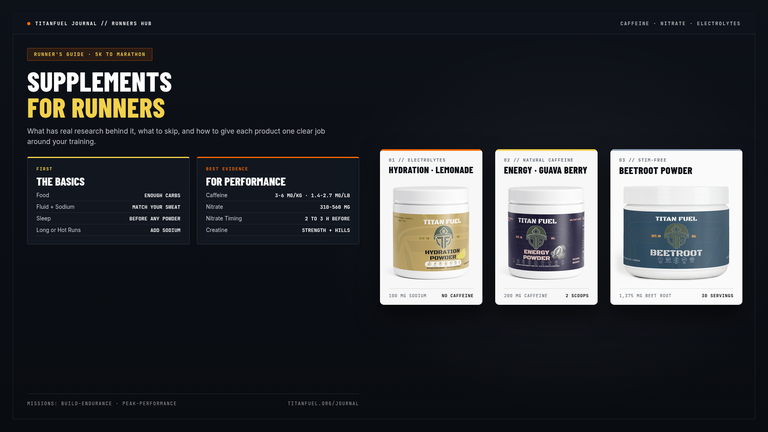
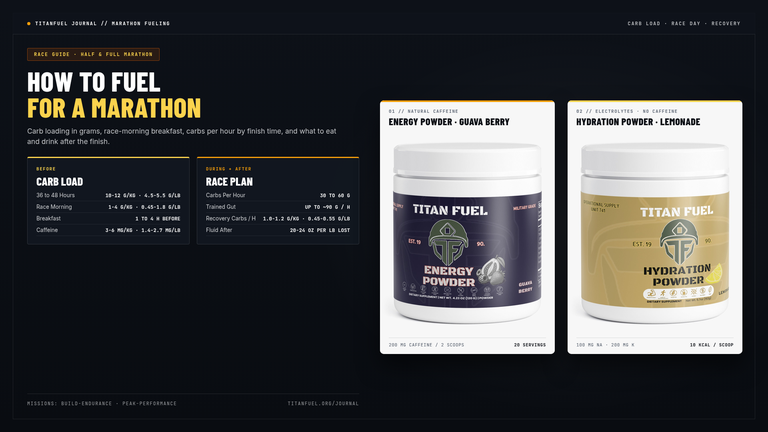
Our Hydration Powder (Lemonade) has 100 mg of sodium, 200 mg of potassium, 20 mg of magnesium and 40 mg of calcium per scoop, plus B vitamins and 10 calories, with no caffeine. Mixed in 14 to 20 oz of water, that comes to roughly 170 to 240 mg of sodium per liter. That is a light electrolyte drink that supports daily hydration and normal muscle function.* It works well for everyday use and shorter runs. It is not enough sodium on its own for a long, hot run if you are a salty sweater.
For those runs, add sodium from food (pretzels, salted potatoes, a salty bagel) or add a pinch of salt to your bottle: about 1/4 teaspoon of table salt carries roughly 575 mg of sodium. Our Creatine Hydration Powder (Lemon) is another option on hot days if you already take creatine: one scoop gives you 5 g of creatine with 1,000 mg of sodium, 200 mg of potassium and 60 mg of magnesium. Take one scoop a day, a few hours before your run, and never more than the label allows.
MYTH OR FACT
Electrolyte myths, checked
Tap a myth to see the facts.
MYTHIf you are thirsty, it is already too late.
FACTFor most runs, thirst is a reasonable guide, and the hyponatremia consensus supports drinking to thirst. Long, hot runs benefit from a plan.
MYTHElectrolytes stop muscle cramps.
FACTCramps have several causes, and fatigue is a big one. Sodium replaces sweat losses; it is not a guaranteed cramp fix.
MYTHMore sodium is always better.
FACTMatch sodium to your losses. A lot of salt with too little water tends to upset your stomach.
My electrolyte plan
0/5Electrolytes are one piece of the puzzle. Pair this with our marathon fueling guide for carbs, our complete guide to supplements for runners, and hydration and focus on long days. For a structured build, start the Build Endurance mission.
FAQ
Do runners need electrolytes?
For runs under an hour in mild weather, water is usually enough. For runs past 60 to 90 minutes, hot weather or heavy sweating, add sodium through a drink or salty food.
What is the best electrolyte for runners?
The one that matches your sweat. Check the milligrams of sodium per serving and per liter once mixed. Long, hot runs call for roughly 460 to 690 mg per liter or more; light mixes suit daily use and shorter runs.
How much sodium do runners need per hour?
It depends on sweat rate and sweat sodium. At ACSM drink concentrations and 24 to 32 oz of fluid an hour, that is roughly 330 to 650 mg per hour. Salty sweaters often need more.
Should I drink electrolytes before a run in hot weather?
Starting hydrated helps. The ACSM suggests about 5 to 7 mL per kg (0.08 to 0.11 oz per lb) at least 4 hours before. Some runners add a salty snack or electrolyte drink with that.
Can you drink too much water while running?
Yes. Drinking far more than you sweat can lower blood sodium, which can be dangerous. If you weigh more after a run than before, you drank too much.
IF YOU WANT A HAND
Fuel that fits this plan
Food and habits come first. If a supplement makes your routine easier, these are the ones that match this article.
SOURCES
- Sawka MN et al. American College of Sports Medicine position stand: Exercise and fluid replacement (2007)
- Baker LB. Sweating rate and sweat sodium concentration in athletes (2017)
- Racinais S et al. Consensus recommendations on training and competing in the heat (2015)
- Hew-Butler T et al. Statement of the Third International Exercise-Associated Hyponatremia Consensus Development Conference (2015)
- Thomas DT et al. ACSM joint position statement: Nutrition and athletic performance (2016)
This article is for general education and is not medical advice. Talk to your doctor before starting a supplement, especially if you have a health condition, take medication, are pregnant or are under 18. Results vary from person to person.