THE SHORT ANSWER
Strength, endurance and speed are built in training, locked in during sleep and fueled by food. Supplements support that work by filling specific gaps, like extra protein after a hard session or electrolytes on a long, hot ride. They help most when the basics are already in place, and they cannot make up for missed sessions, short sleep or a poor diet.
KEY TAKEAWAYS
- Training comes first. A supplement can help you get more out of a session, but only if the session happens.
- Sleep is where recovery happens. Adults do best with 7 to 9 hours, and no product makes up for short or broken sleep.
- Food covers the basics: protein, carbs, fats, fiber and micronutrients. Supplements fill gaps, they are not a meal plan.
- Use supplements for a clear reason, at the label dose, on top of a plan that already works.
Training comes first
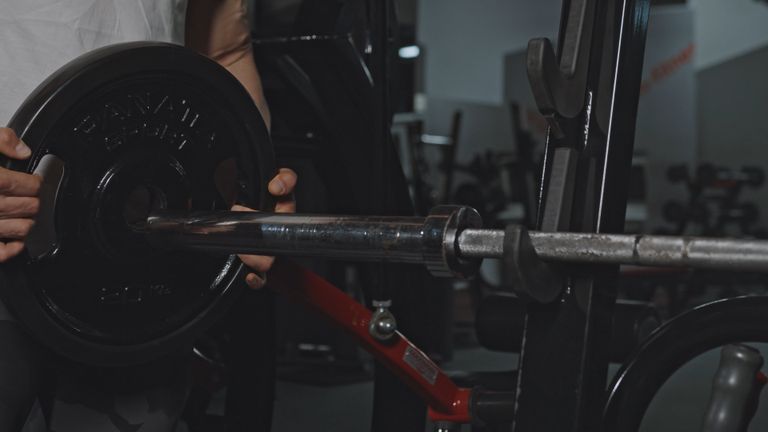
Every result you want comes from the work. Strength grows when you lift a little more over weeks and months. Endurance grows when you run, ride or ruck often enough for your body to adapt. Speed grows when you practice moving fast while you are fresh.
Creatine, protein or a pre-workout can help you get more out of a session. But a supplement only has something to work with if the session happens. Two good workouts a week, repeated for a year, beat a perfect plan that falls apart after three weeks.
So before you think about what to buy, look at your week. Do you have a plan? Do you train on set days? Are you adding a little load, distance or quality over time? If not, that is the first and cheapest fix. Our weekly strength frame and the free training plans give you a structure to follow.
Sleep is where recovery happens
Training is the stimulus. Recovery is when your body repairs and adapts, and most of that happens while you sleep. Expert panels recommend 7 to 9 hours a night for most adults. Athletes who train hard often feel better toward the top of that range.

No recovery product makes up for short or broken sleep. If you sleep five or six hours on most nights, that is the gap to close first. Simple habits help: the same bedtime and wake time every day, a dark and cool room, caffeine cut off early in the day and screens away for the last half hour.
For a full evening routine, read magnesium and sleep for athletes. It covers where a mineral like magnesium fits and why the routine matters more.
Food covers the basics
Whole foods give you protein, carbs, fats, fiber and the vitamins and minerals your body needs. A capsule cannot copy a varied plate. The NIH Office of Dietary Supplements says it plainly: supplements can help you get enough of some nutrients, but they cannot take the place of the variety of foods that make up a healthy eating routine.
For people who train, protein is often the first number to check. Sports nutrition research suggests about 1.4 to 2.0 g of protein per kg of body weight per day for most active people, spread over several meals. Use the calculator to see what that means for you.
INTERACTIVE
Protein per meal calculator
Your daily target, split across your meals.
Per meal: about 31 to 45 g across 4 meals. Per-meal marker: about 33 g.
Range 0.7 to 1.0 g per lb per day (about 1.6 to 2.2 g per kg), a common target for people who train hard. About 0.4 g per kg per meal is a useful per-meal marker.
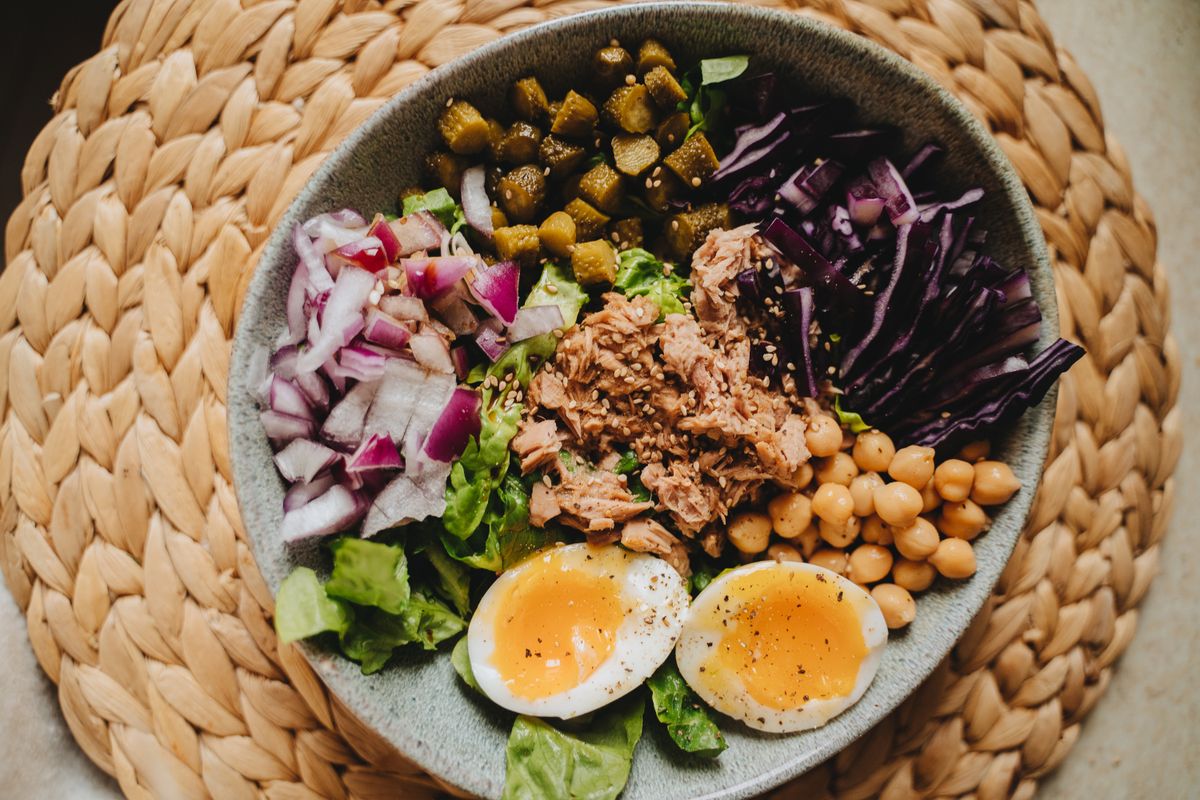
Build most meals around a protein source, a carb source and some fruit or vegetables. Eggs, fish, chicken, beans, Greek yogurt, rice, potatoes, oats and fruit cover a lot of ground. If you hit your protein target from food most days, great. If you often fall short, that is a real gap, and a gap is where a supplement makes sense.
Where supplements fit
Think of supplements as support for a plan that already works. Training, sleep and food come first. Then add targeted support for your goal, one product at a time, so you can tell what each one does for you.
| Situation | Fix first | Where a supplement can help |
|---|---|---|
| Often short on protein | Add a protein source to each meal | A protein shake after training or between meals |
| Long, hot sessions with heavy sweat | Drink to a plan and eat salty foods | Electrolytes in your bottle |
| Heavy lifting or repeated sprints | A progressive training plan | Creatine monohydrate, taken daily |
| Tired all the time | Sleep, food and training load | Usually none until the basics are fixed |
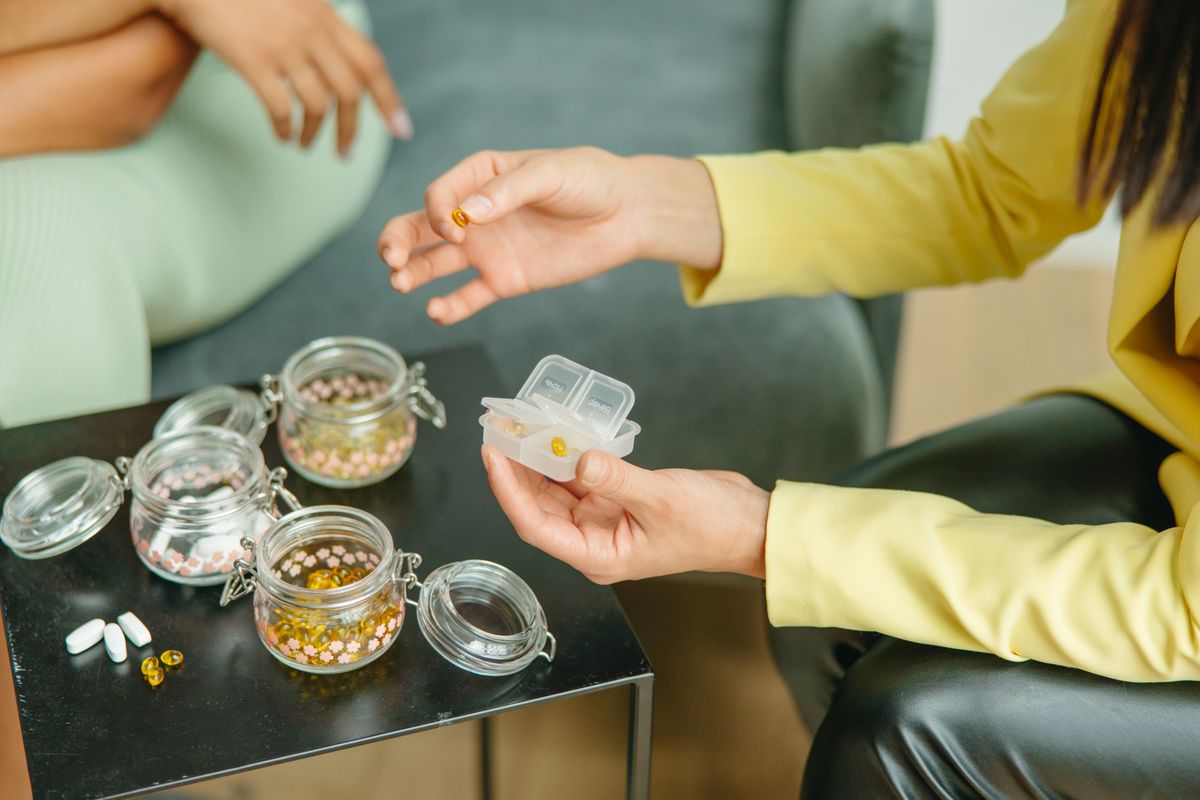
Read the Supplement Facts panel, follow the label dose and be careful with stacking many products. If you have a health condition, take medication, are pregnant or nursing, or are under 18, talk to your doctor before you start anything new.
MYTH OR FACT
Supplement myths, checked
Tap a myth to see the facts.
MYTHThe right stack makes up for bad sleep.
FACTNo product replaces sleep. Recovery happens mostly at night, so fix the hours first.
MYTHMore products means faster progress.
FACTProgress comes from consistent training. Extra products add cost and make it harder to tell what helps.
MYTHA shake can replace a meal every day.
FACTA shake can fill a protein gap. Whole meals also bring fiber, carbs, fats and micronutrients.
Check your foundations
Run through the list. If you can tick most of it, you have a plan worth supporting. If not, start there. It costs nothing.
My foundations this week
0/5For practical next steps, read our guides on recovery nutrition, hydration, joint care and pre-workout timing.
FAQ
Can supplements replace a healthy diet?
No. Supplements can help you get enough of some nutrients, but they cannot replace the variety of foods in a healthy eating routine. Use them to fill specific gaps.
How much sleep do athletes need?
Most adults do best with 7 to 9 hours a night. Athletes in hard training often feel better toward the top of that range. No supplement makes up for short or broken sleep.
Which supplement should I start with?
Start with your biggest gap. If you are often short on protein, a protein shake is a practical first step. For long, hot sessions, electrolytes help you drink to a plan. Fix training, sleep and food first.
Do I need supplements to build muscle?
No. Muscle is built with progressive training, enough protein and calories, and sleep. Protein powder and creatine can support that work, but they are optional.
IF YOU WANT A HAND
Fuel that fits this plan
Food and habits come first. If a supplement makes your routine easier, these are the ones that match this article.
SOURCES
This article is for general education and is not medical advice. Talk to your doctor before starting a supplement, especially if you have a health condition, take medication, are pregnant or are under 18. Results vary from person to person.